News
18.05.2026 - Trelldom - …by the Word… 22,99 €

-> >;TRELLDOM treiben ihren musikalischen Kurs mit "...by the word..." wild entschlossen weiter in der neuen musikalischen Ära voran, die sie nach einer 17-jährigen Ruhephase mit dem Vorgängeralbum "...by the shadows..." (2024) eingeleitet hatten. Bandkopf und Sänger Kristian Eivind Espedal alias Gaahl hat den komplexen und dennoch finsteren Sound des Vorgängers mit seinen sorgfältig ausgewählten Mitstreitern konsequent weiterentwickelt. Das exponentiell gewachsene Selbstvertrauen und die hart erarbeitete Erfahrung der zumindest oberflächlich sehr unterschiedlichen norwegischen Musiker spiegeln sich deutlich in jedem Track von "...by the word..." wider. TRELLDOM vollenden den Prozess, sich von der engsten Definition des Black Metal zu lösen, ohne dabei ihre künstlerische Mission zu verraten. Ihre neue Musik bleibt nicht nur dem Geist ihrer Black Metal Herkunft treu, sondern der Sound der Norweger ist auf seine eigene Weise sogar noch finsterer und verstörender als je zuvor. "...by the word..." ist auch das Ergebnis von Espedals wagemutiger Ausweitung seiner immensen stimmlichen Bandbreite in noch weiter entlegene, unerforschte Territorien. Dies wurde zum Teil durch seine Rückkehr in die berühmten Grieghallen Studios in Bergen erreicht, wo er erneut mit Eirik Hundvin alias Pytten zusammenarbeitete – jenem legendären Produzenten, der maßgeblich an der Entstehung des Sounds des "norwegischen Black Metal" beteiligt war. TRELLDOM stehen fest in Espedals künstlerischer Tradition stets das Unerwartete zu tun. Mit der Erforschung avantgardistischer Dissonanzen, gewagter Rhythmusmuster und wilder Ideen zerstört "...by the word..." erneut Erwartungshaltungen und Vorurteile. Dieses Album verlangt intensives Zuhören und fordert mit jeder Note heraus!-> >;
-> >;
Tracklist:-> >;
1. When This Was Young-> >;
2. I Speak Forgotten Voices-> >;
3. This Moment the Life of a Memory-> >;
4. By the Word-> >;
5. Folding the Mind-> >;
6. The Word – Chose to Vanish-> >;
7. In There Outside-> >;
-> >;
Gatefold-LP (schwarzes Vinyl) mit 12 seitigem Booklet, gefütterter Innenhülle und Schutzhülle
Source: Prophecy
18.05.2026 - Antiage: Neue Video-Single „Zenith Of Decay“ + neues Album 2026

Mit "Zenith Of Decay" haben unsere Battle Of The Band-Sieger von 2022 Antiage eine brandneue Single am Start. Mehr Infos und das Musikvideo hier bei uns!
Source: Sonic Seducer
18.05.2026 - GODTHRYMM veröffentlichen eine weitere Single vom „Projections“-Album
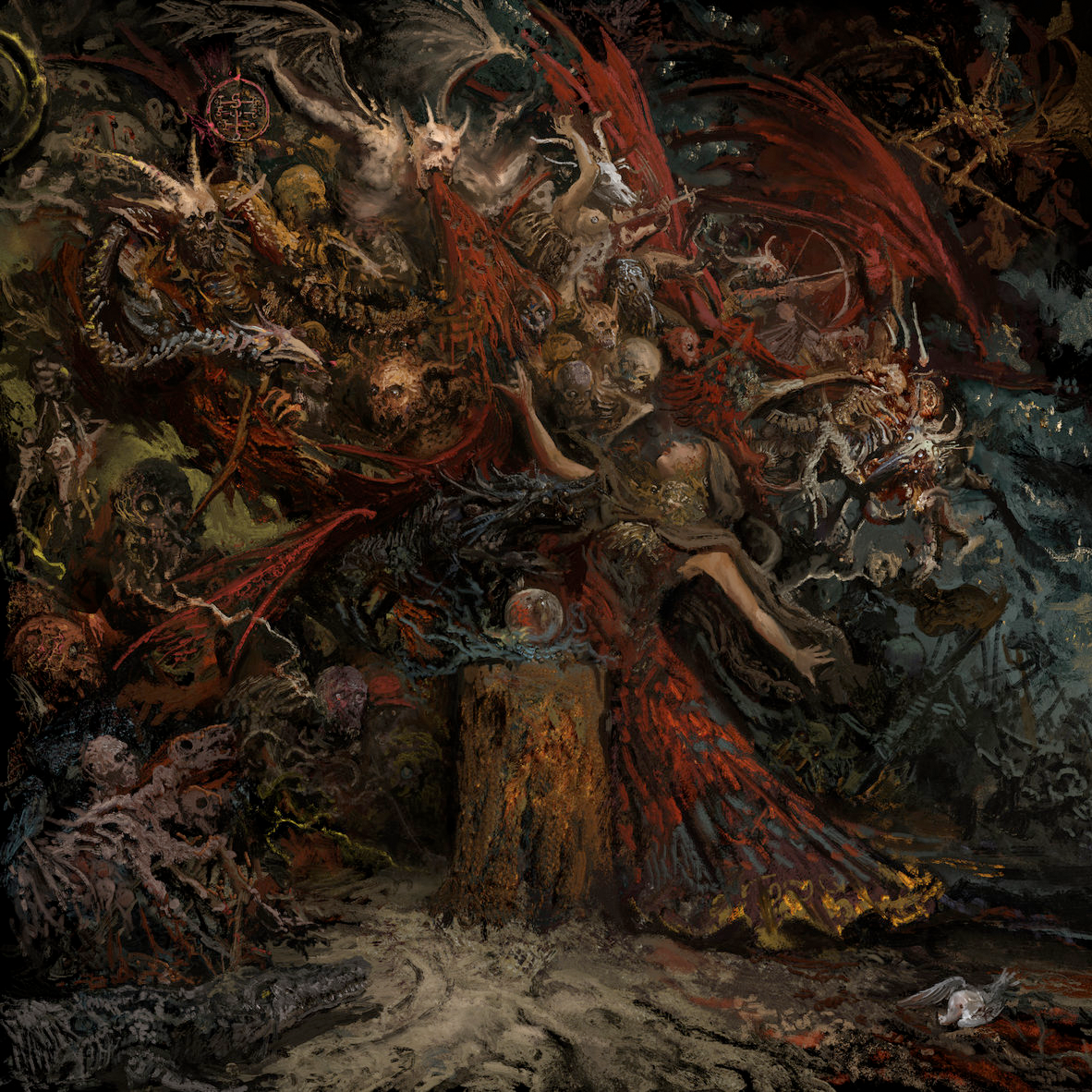
Die britische Epic Doom-Band GODTHRYMM veröffentlicht am 29. Mai 2026 ihr neues Album „Projections“. Nun hat die Band auch ein Video zur dritten Single „Jewels“ geteilt:
Als zweite Single stellten GODTHRYMM im April „The Sun Never Fell“ mit einem Video vor:
Mit einem Video zu „Truth In My Own“ hatte die Band im März einen ersten Song daraus geteilt.
Als Gäste sind auf dem Album zu hören: Adie Bailey (ENGLISH DOGS); Jay Walsh (XENTRIX) und Aaron Stainthorpe (ex-MY DYING BRIDE).
GODTHRYMM „Projections“ Tracklist & Cover
1. Trenches Deep
2. Truth In My Own (Video bei YouTube)
3. The Sun Never Fell (Video bei YouTube)
4. Endure My Skin (feat. Aaron Stainthorpe)
5. Jewels (Video bei YouTube)
6. Hope Is Eternal
7. Projections (CD Exclusive Bonus Track)
GODTHRYMM Line-up:
Gitarrist/Sänger Hamish Glencross (VALLENFYRE, ex-MY DYING BRIDE, ex-SOLSTICE)
Keyboarderin/Sängerin Catherine Glencross
Bassist „Sasquatch“ Bob Crolla
Schlagzeuger Shaun „Winter“ Taylor-Steels (ex-ANATHEMA, MY DYING BRIDE)
Source: Vampster
18.05.2026 - ANNA VON HAUSSWOLFF gibt Konzerte in Deutschland
Nachdem ANNA VON HAUSSWOLFF Anfang 2026 ihr aktuelles Album „Iconoclasts“ bei einigen Konzerten in Deutschland vorgestellt hat, kehrt die schwedische Künstlerin für weitere Termine zurück.
19.09.2026 Hamburg – Elbphilharmonie (REEPERBAHN FESTIVAL)
18.11.2026 Köln – Stadthalle
19.11.2026 Berlin – Astra Kulturhaus
20.11.2026 Leipzig – Felsenkeller
Source: Vampster
18.05.2026 - „Ehrenamt – The Metal Story“: Der Dokufilm zum METAL DIVER FESTIVAL kommt in die Kinos
Am 21.05. läuft der Film „Ehrenamt – The Metal Story“ in den deutschen Kinos an. „Ehrenamt – The Metal Story“ ist die zweite Kulturdokumentation von Produzenten und Regisseur Daniel Hofmann, der 2022 seinen ersten Film „Total Thrash – The Teutonic Story“ veröffentlichte.
Erzählt wird die Geschichte des METAL DIVER FESTIVALS im Sauerland. 2013 hatten hier sieben Freunde die gemeinsame Idee von einem eigenen Festival direkt vor der Haustür. Neben den 11 Hauptdarstellern – die ORGA OF METAL des gemeinnützige Metal Diver e.V. aus Marsberg – kommen auch Musiker wie Thomas Such von SODOM, Chris Boltendahl von GRAVE DIGGER, Bernhard Weiß von AXXIS, Andreas Lakaw von DARKNESS, Peter Wagner von RAGE, Metalfans und Veranstalter im Film zu Wort.
Gedreht wurde die Dokumentation zwischen September 2024 und August 2025 zum Großteil in NRW und dem Sauerland.
Nach der Premiere im Februar in der Schützenhalle Marsberg und 20 Pre-Screening Terminen im März und April mit Filmteam und Gästen feiert der Film ab 21.05. in Kooperation mit der Deutschen Stiftung für Engagement und Ehrenamt zum Ehrentag in Deutschland seine Kinopremiere und läuft in diesen Kinos und auf diesen Festivals:
21.05. Oldenburg – Casablanca Kino (mit Daniel Hofmann & Filmgespräch)
23.05. Gütersloh – Bambi (mit Daniel Hofmann, Filmgespräch und Darstellern)
23.05. Saarbrücken – Filmhaus
29.05. Dortmund – Cinestar (mit Daniel Hofmann & Filmgespräch)
30.05. Oberhausen – Kino im Walzenlager (mit Daniel Hofmann & Filmgespräch)
01.06. Brühl – Zoom Kino (mit Daniel Hofmann, Filmteam & Filmgespräch)
02.06. Leipzig – UT Connewitz
04.06. Hemsbach – Brennessel
05.06. Burg – Burg Theater
20.06. Ibbenbüren – Harleyville Festival
12.09. Hohenlimbach – Heavy Metal Fans Festival
18.09. Wertheim – Roxy Kino (mit Daniel Hofmann & Filmgespräch)
Weitere Termine sind aktuell in Planung, aktuelle Infos gibt es auf ehrenamt-derfilm.de/kinotour/
Source: Vampster
18.05.2026 - GREEN LUNG veröffentlichen neues Album „Necropolitan“ und kommen auf Tour
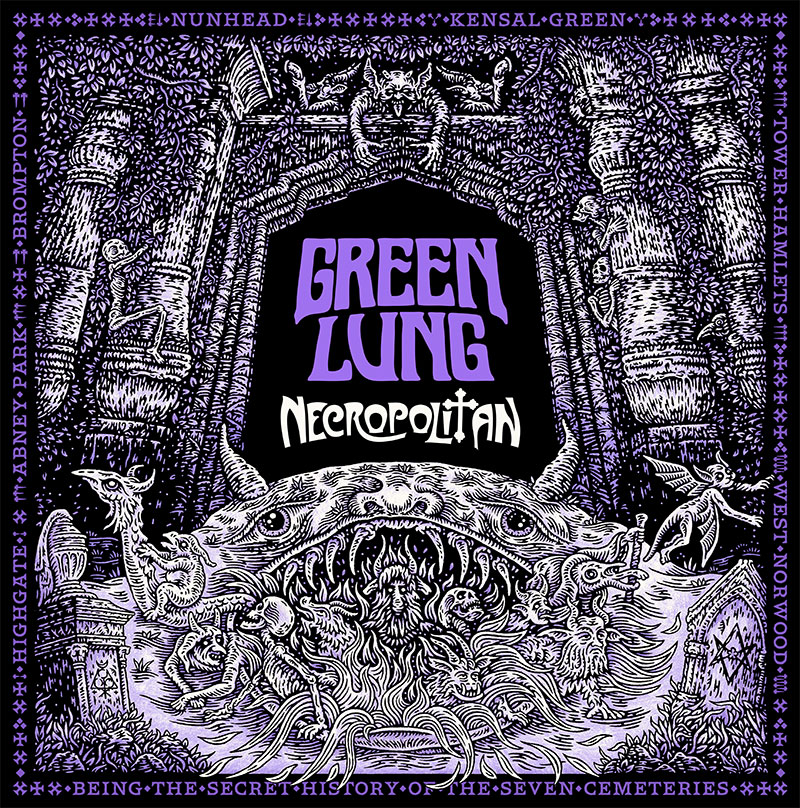
GREEN LUNG bringen ihr viertes Album raus: „Necropolitan“ erscheint am 11. September 2026. Das Album entstand Anfang des Jahres im Rockfield Studio, Produzent war Tom Dalgety.
Mit dem Video zu „Evil in this House“ stellt die Doom Metal-Band einen ersten Song der neuen Platte vor:
GREEN LUNG „Necropolitan“ Tracklist & Cover
01. Open the Hellmouth
02. Dance to the Grave
03. Black Magick Radio
04. Necropolitan Line
05. Evil in this House (Video bei YouTube)
06. Together in Death
07. Ozymandias
08. Alostrael (Be My Babalon)
09. To the Gallows Born
GREEN LUNG Tour im Dezember 2026
Im Dezember brechen GREEN LUNG zur Dance to the Grave Tour MMXXVI. auf, als Special Guests sind HIGH ON FIRE und GNOME dabei.
GREEN LUNG, HIGH ON FIRE, GNOME – DANCE TO THE GRAVE TOUR MMXXVI
03-Dec BE Antwerp @ Trix
04-Dec DE Frankfurt am Main @ Batschkapp
05-Dec DE Munich @ Backstage
07-Dec AT Vienna @ Arena
08-Dec DE Leipzig @ Anker
10-Dec DE Hamburg @ Große Freiheit 36
11-Dec DE Berlin @ Astra Kulturhaus
12-Dec DE Cologne @ Carlswerk Victoria
13-Dec NL Tilburg @ O13
14-Dec FR Paris @ Bataclan
16-Dec UK London @ The Roundhouse
17-Dec UK Bristol @ Bristol Electric
18-Dec UK Manchester @ Manchester Academy
19-Dec IE Dublin @ The Academy
20-Dec UK Glasgow @ SWG3 Galvanizers
Source: Vampster
18.05.2026 - Autumnblaze: neues Album “Glut”
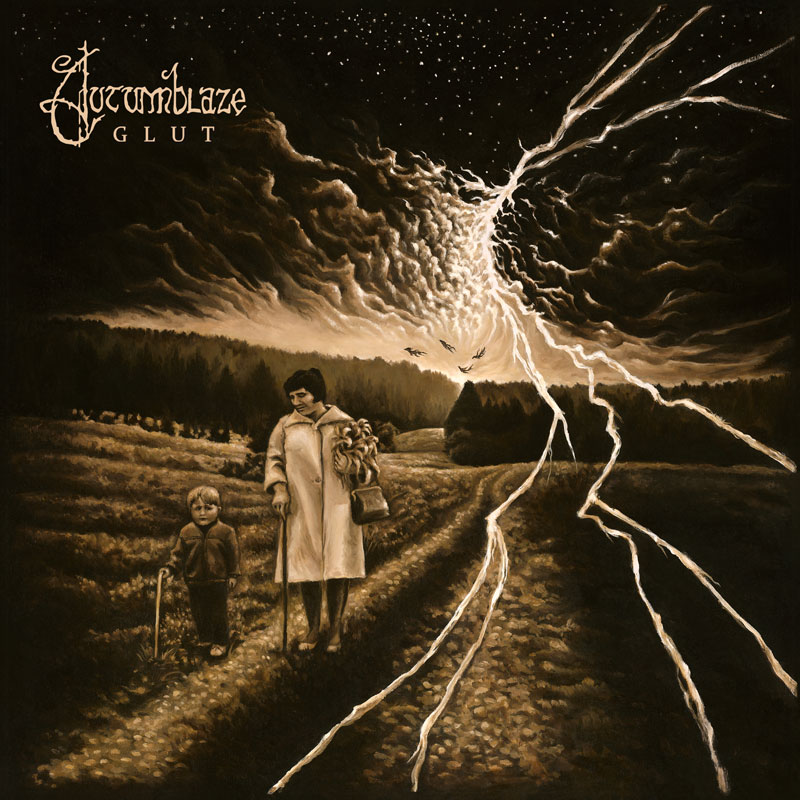
Am 26. Juni 2026 veröffentlichen AUTUMNBLAZE ihr neues Album „Glut“ via Argonauta Records. Reinhören kann man in die Single “Licht Aus”, zu der es auch ein Video gibt:
Auch zum Song „Polarlichter“ gibt es bereits einen Clip:
Die Erstauflage von 2Glut“ erscheint als Doppelalbum mit zwei Versionen des Albums. CD 1 enthält das Album im Mix und Mastering von Markus Stock, CD 2 einen mix aus dem Studio Greywolf von Charles Greywolf.
AUTUMNBLAZE “Glut” Tracklist & Cover
CD 1
Licht aus (Video bei YouTube)
Kerkersonne
Als das Dunkel Feuer fing
Polarlichter (Video bei YouTube)
Die Blüten Satans
Heilung
Trümmerlandpoesie
Glut
Der Idiot
Mondmann
Geisteskind
Schwarzes Gold
Albtraum
Bonus Tracks (CD only)
14. Einhornglut
15. Wundenozean
CD 2
Licht aus
Als das Dunkel Feuer fing
Kerkersonne
Schwarzes Gold
Polarlichter
Die Blüten Satans
Geisteskind
Albtraum
Mondmann
Trümmerlandpoesie
Der Idiot
Heilung
Source: Vampster
18.05.2026 - NNHMN interview: “We are evolutionists”

Berlin-based NNHMN have built their recent work around movement, tension, and transformation. With “Opera of...
Source: Side Line
18.05.2026 - Hunter As A Horse: Neue Single „Obey“ + Album „Paradise Lost“

Mit "Obey" haben Hunter As A Horse eine weitere Single vom kommenden Album "Paradise Lost" ausgekoppelt. Mehr Infos und die bisher veröffentlichten Tracks im Stream hier!
Source: Sonic Seducer
18.05.2026 - Joy Division’s Ian Curtis to Be Honored With “Life and Legacy” Personal Archive Exhibition in NYC
A new exhibition devoted to Ian Curtis will open in New York City this summer, bringing rare archival material from the late Joy Division frontman to the United States for the first time.
Titled Ian Curtis: Insight, the free exhibition runs June 25 through July 22, 2026, at Voltz Clarke Gallery, 195 Chrystie Street, in New York City. The show draws from the Ian Curtis Archive, held by The John Rylands Library at The University of Manchester as part of the British Pop Archive.
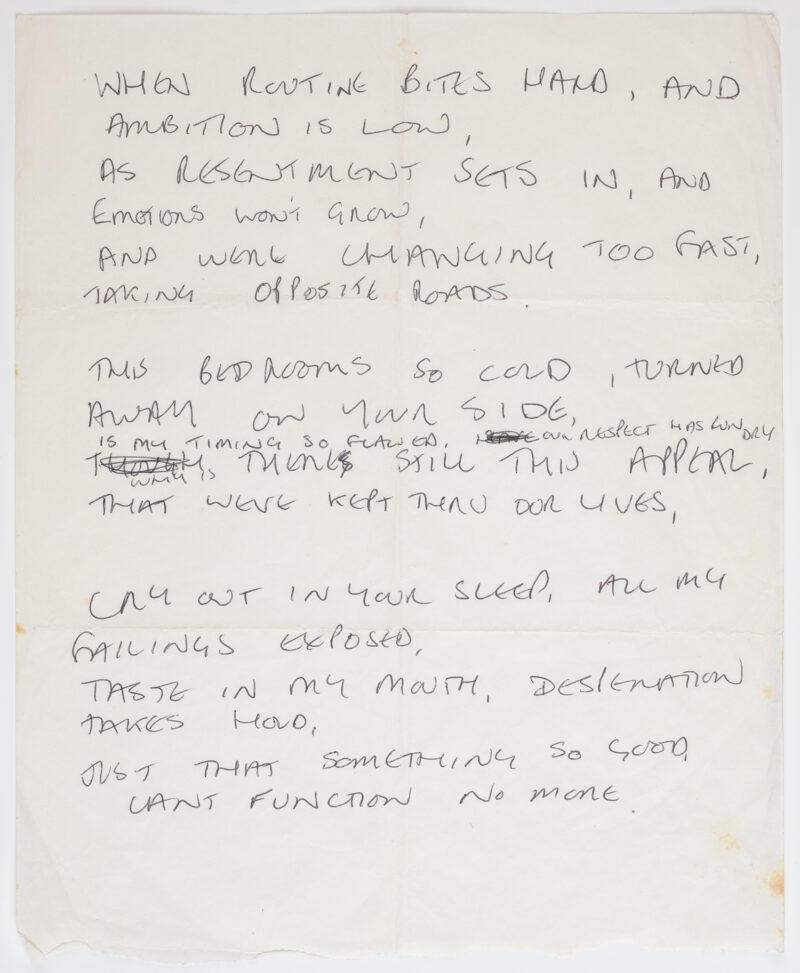
According to the university, the exhibition will feature handwritten lyrics, photographs, personal letters, ephemera, and artifacts tied to Curtis’ life, writing, and creative legacy — including material connected to Joy Division’s landmark “Love Will Tear Us Apart.” Many of the pieces will be shown publicly in the U.S. for the first time.
The exhibition arrives the same year Joy Division and New Order are being inducted into the Rock & Roll Hall of Fame as 2026 Performer inductees.
“Joy Division singer, Ian Curtis, is a seminal figure in the history of UK popular culture,” says Mat Bancroft, Curator of the British Pop Archive at The John Rylands Library. “A lyricist and performer of great emotion and energy, who for many – defined post-punk. His personal archive contains handwritten lyrics, his personal record and book collections, fan letters and ephemera. Ian Curtis: Insight brings a selection of these materials to public view for the first time.”
“This exhibition is part of The University of Manchester’s remit to share our Special Collections globally,” says Professor Christopher Pressler, University Librarian and Director of The John Rylands Library. “The Ian Curtis archive is of national significance, and Joy Division are one of the UK’s most important and iconic bands. The exhibition in New York forms part of a series, showcasing the archive and promoting the University’s ‘From Manchester for the world’ strategy.”
“We are delighted to work with the University of Manchester to showcase the archive materials of Ian Curtis, debuting in the USA for the first time,” says Voltz Clarke Gallery. “With 50% of Voltz Clarke Gallery’s ownership British, the gallery has always invested extra time with artists from the UK and is honored to collaborate on a project with such history and importance.”
Exhibition details:Ian Curtis: InsightVoltz Clarke Gallery195 Chrystie StreetNew York, NY 10002June 25 – July 22, 2026Admission is free.
The Voltz Clarke Gallery is open Monday through Friday from 10 AM to 6 PM, and on Saturdays from 12 PM to 5 PM.
Follow Joy Division:
Instagram
YouTube
Facebook
Spotify
Header Photo by Philippe Carly
Handwritten lyric to ‘Love Will Tear Us Apart by Joy Division, Ian Curtis, c 1979
The post Joy Division’s Ian Curtis to Be Honored With “Life and Legacy” Personal Archive Exhibition in NYC appeared first on Post-Punk.com.
Source: Post-Punk.com
18.05.2026 - FORSMÁN veröffentlichen neues Album „Brenndar Rústir & Fuðrandi Fjörur”
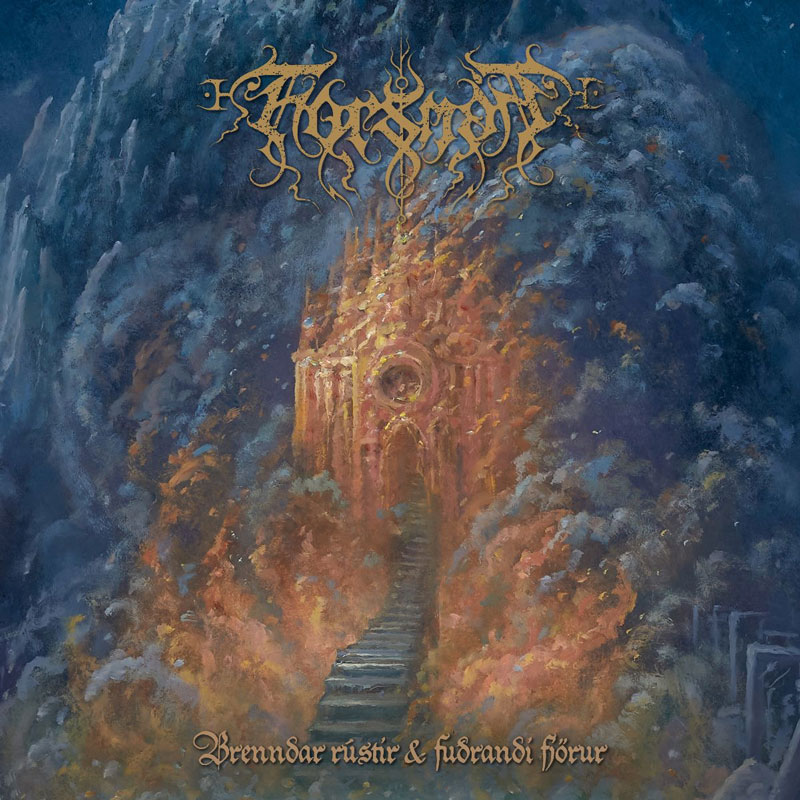
FORSMÁN veröffentlichen am 26. Juni 2026 ihr neues Album „Brenndar Rústir & Fuðrandi Fjörur” vis Vesperian. Mit „Drottinn Fyrirgefur Allt“ teilt die isländische Black Metal-Band den ersten Song daraus:
FORSMÁN „Brenndar Rústir & Fuðrandi Fjörur” Tracklist
1. Drottinn Fyrirgefur Allt (5:19) (Video bei YouTube)
2. Svartir Svanir (6:53)
3. Andvana (6:02)
4. Valdníðsla (4:23)
5. Kynjamyndir (3:30)
6. Lof Mér Líf Þitt Að Taka (3:52)
7. Hræ Hins Almáttuga (6:44)
8. Barmafylltar Fjöldagrafir (7:34)
FORSMÁN Line-Up:
V. bass, vocals
H. Guitar
O. Guitar, vocals
M. Drums
Source: Vampster
18.05.2026 - DIE KAMMER: neues Album „Season VI: We Destroy What We Love“

DIE KAMMER veröffentlichen am 26. September 2026 ihr neues Album „Season VI: We Destroy What We Love“.
Im Herbst stellt das Dark-Pop-Duo die neuen Songs live vor, zum ersten Mal seit 2018 sind DIE KAMMER wieder auf Deutschlandtour. Marcus Testory und Matthias Ambré haben sich für die Konzerte Untersztützung geholt, zuir Live-Besetzung gehören auch Cellst Benni Cellini und Bassist Dennis Bergmann. Im Vorprogramm spielt Cellist Benni Cellini (LETZTE INSTANZ, GOETHES ERBEN) Songs aus seinem Album ‚SOLO‘.
DIE KAMMER Season VI – Tour 2026
Support: Benni Cellini
Do, 05.11.2026, Hamburg, Logo
Fr, 06.11.2026, Leipzig, Moritzbastei
Sa, 07.11.2026, Berlin, Privatclub
Fr, 13.11.2026, Hannover, Subkultur
Sa, 14.11.2026, Köln, Helios37
Do, 03.12.2026, München, BS Club
Fr, 04.12.2026, Würzburg, B-Hof
Sa, 05.12.2026, Bochum, Rockpalast
So, 06.12.2026, Wiesbaden, Kesselhaus
DIE KAMMER Line-up
Marcus Testory: Lead Vocals, Gitarre, Bass, Loops & Synths
Matthias Ambré: Gitarre, Backing Vocals
Source: Vampster
18.05.2026 - HYSTERESE veröffentlichen ein Video zum kommenden Album „Hysterese (5)“
Punkrock aus Tübingen: HYSTERESE veröffentlichen am 22. Mai 2026 ihr fünftes Album, es ist konsequenterweise „Hysterese (5)“ betitelt. Mit einem Video zu „Love Hurts“ stellt die Band nun einen weiteren Song daraus vor:
Reinhören in das neue Album kann man außerdem in eine weitere Single, HYSTERESE haben im April ein Video zu „Only Players Left Alive“ geteilt:
HYSTERESE 5 Tracklist & Cover
Sedative Nights
Only Players Left Alive (Video bei YouTube)
Golden Boy
Love Hurts (Video bei YouTube)
Paintrader
Necropolis
Obsidian
No Dreams
Dark Horse
Nightfall
Uphill Battle
HYSTERESE Line-up:
Helen Runge-Kehle : Guitar, Vocals
Moritz Kehle : Guitar, Vocals
Lukas Anderer : Bass, Vocals
Kai Hirt : Drums
HYSTERESE Line-up:
Gitarre, Gesang: Helen Runge-Kehle
Gitarre, Gesang: Moritz Kehle
Bass, Gesang: Lukas Anderer
Schlagzeug: Kai Hirt
Discografie:
2011: Hysterese (Album, Search for Fame Records)
2014: Hysterese (Album, SABOTAGE/Taken by Surprise Records)
2018: Hysterese (Album, This Charming Man Records)
2021: Hysterese (Album, This Charming Man Records)
2026: Hysterese (Album, This Charming Man Recors)
Source: Vampster
18.05.2026 - SPLIT CHAIN: neue Single, neue Auflage des „Motionblur“-Albums
SPLIT CHAIN haben mit „Scatterbrain“ eine neue Single geteilt, zum Song gibt es auch ein Video:
„Wie all unsere anderen Songs basiert auch ‚scatterbrain‘ auf persönlichen Erfahrungen beim Erwachsenwerden, von denen wir sicher sind, dass sie viele nachvollziehen können. Es ist ein Song über den langsamen Zerfall von Freundschaften, Beziehungen und familiären Bindungen. Wie plötzlich, wenn alles auf dem besten Weg zu sein scheint, die andere Person in der Beziehung, Freundschaft oder Familie aufhört, ihren Teil beizutragen. Sie verstrickt sich in ihr eigenes Ding, verliert sich in ihren Gedanken und zieht sich – bewusst oder unbewusst – zurück, ohne irgendwelche Gründe zu nennen. Zurück bleibt nur ein Gefühl von Verlassenheit, unerwiderter Liebe und Fragen.“
Neuauflage des „Motionblur“-Albums
Am 11. September erscheint eine digitale Deluxe-Edition des SPLIT CHAIN-Debütalbums „motionblur“. Jeder Track wurde von der Band neu interpretiert und mit Features anderer Bands, erweitert, darunter FALSE REALITY und ROMAN CANDLE.
„motionblur [DELUXE]“ enthält außerdem die aktuellen Singles „sylvia (i won’t belong to you)“, „scatterbrain“, sowie „untitled“, einen bisher versteckten, ungelisteten Track von den LP- und CD-Versionen des Albums.
Source: Vampster
18.05.2026 - DEFACING GOD: Majestic gloom
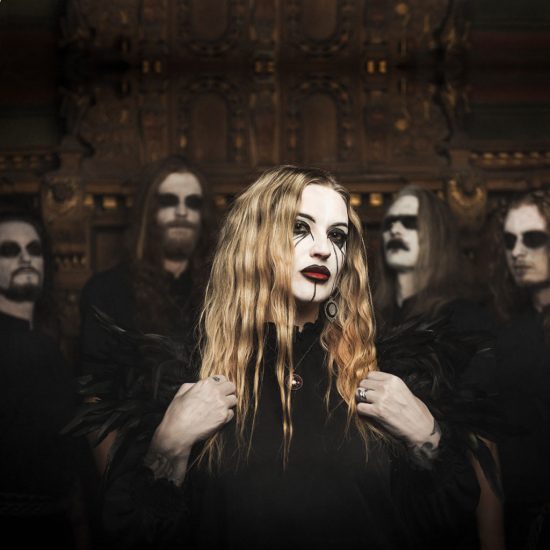
The Danish melodic death metal band Defacing God was founded in 2015. We talk to singer Sadie in our May/June issue about the new album “Darkness Is My Crown”, a kind of positive darkness and how she drew strength from metal. Listen to Defacing God in our “Current Issue” playlist on Spotify:
Source: Orkus
18.05.2026 - ERASURE – “Victim of Love” was released 38 years ago today. More information here …

It’s been 38 years since ERASURE released their sixth single “Victim of Love” on May 18, 1987. The typical Erasure sound with its uptempo rhythm, analog synthesizer and striking acoustic guitar reached number 1 in the US charts and number 7 in the UK and IR. The lyrics deal with the fears that the protagonist […]
Source: Orkus
18.05.2026 - HATEFUL CHAINS: Goth rock with post-punk sprinkles from Finland
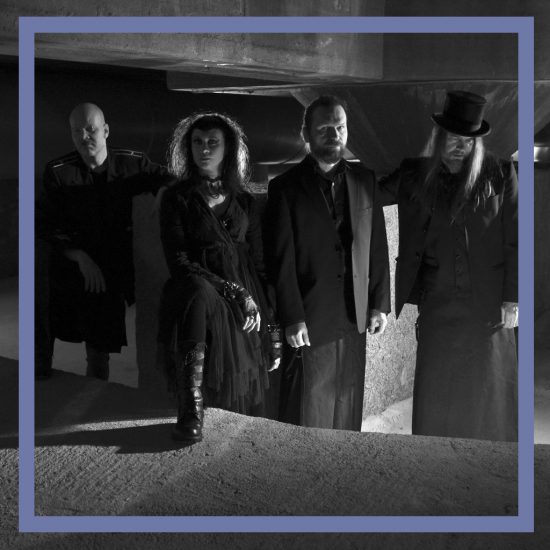
Hateful Chains from Finland are celebrating their tenth anniversary this year. When the band was founded, front woman Flora Kok had just finished her studies to become a classical singer when she started looking for fellow musicians. There she met guitarist Kimmo Laaksonen. “We started producing the songs together and looking for other band members,” […]
Source: Orkus
18.05.2026 - SALINE GRACE – “The Tree of Knowledge”
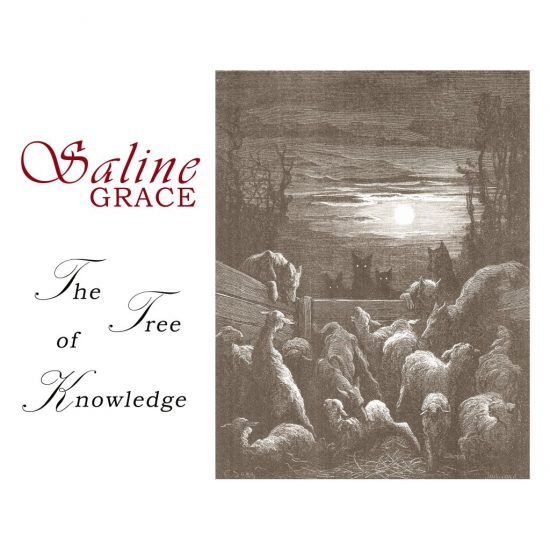
Poetic melancholySALINE GRACE“The Tree of Knowledge”‘Album (Deeper Water Records) Saline Grace conveys poetic melancholy on “The Tree of Knowledge”. As a multi-instrumentalist, mastermind Ricardo Hoffmann creates harmonious soundscapes using a wide variety of instruments. In addition to piano, organ and strings, a singing saw can also be heard. Saline Grace thoughtfully addresses changes – be […]
Source: Orkus
18.05.2026 - Advertisement: “Villains” by Jamie Mahons

British photographer Jamie Mahon shows just how sexy villains – especially female ones – can be in his new photo book “Villains”. His best fetish works from the early days to the present are compiled here. – Many of them have never been published before and are sure to send a shiver down your spine, […]
Source: Orkus
18.05.2026 - EVANESCENCE: Video-Clip zu „Who Will You Follow“ vom neuen Alternative Rock / Gothic Metal Album „Sanctuary“

Mit „Sanctuary“ wird am 5. Juni 2026 via BMG das neue Album der Alternative Rock / Gothic Metal-Band EVANESCENCE erscheinen. Zu „Who Will You Follow“ gibt es nun einen Video-Clip.
EVANESCENCE Line-Up:
Amy Lee: Vocals / Piano / Keyboards
Troy Mclawhorn: Guitar
Tim Mccord: Guitar
Emma Anzai: Bass / Backing Vocals
Will Hunt: Drums
EVANESCENCE „Sanctuary“ Tracklist
01. Beautiful Lie
02. Tell Me When You’ve Had Enough
03. Who Will You Follow (Lyric-Video bei YouTube) (Video bei YouTube)
04. Rapture
05. Afterlife
06. Sanctuary
07. How Do I Heal
08. About Us
09. Calm Down
10. Self Destruct
11. Forever Without You
12. Wide Open Heart
Source: Vampster
18.05.2026 - TSS: neue Modern Emo Single „Die In Your Arms“ aus Frankreich
Die französische Modern Emo-Band TSS hat mit „Die In Your Arms“ eine neue Single mitsamt Lyric-Video veröffentlicht. Der Song folgt auf das 2025er-Album „End of Time“.
TSS „Die In Your Arms“ (Lyric-Video bei YouTube)
Source: Vampster
18.05.2026 - BLACKBRIAR: zweite Single von neuer Gothic / Symphonic Metal EP „Our Long Cursed Sleep“
Die Gothic / Symphonic Metal-Band BLACKBRIAR hat nach „A Thousand Anemones“ mit „A Long Cursed Sleep“ eine zweite Single ihrer kommenden EP „Our Long Cursed Sleep“ als Video-Clip veröffentlicht. Die vierte EP der Niederländer folgt auf das Album „A Thousand Little Deaths“ nach und soll im Spätfrühling 2026 erscheinen.
BLACKBRIAR Line-Up:
Zora Cock – Vocals
Bart Winters – Guitars
Robin Koezen – Guitars
René Boxem – Drums
Ruben Wijga – Keyboardist
BLACKBRIAR „A Thousand Anemones“ (Video bei YouTube)
BLACKBRIAR „A Long Cursed Sleep“ (Video bei YouTube)
Source: Vampster
18.05.2026 - OPERA IX: Video-Clip vom neuen Occult Pagan Black Metal Album „VeneficiuM“
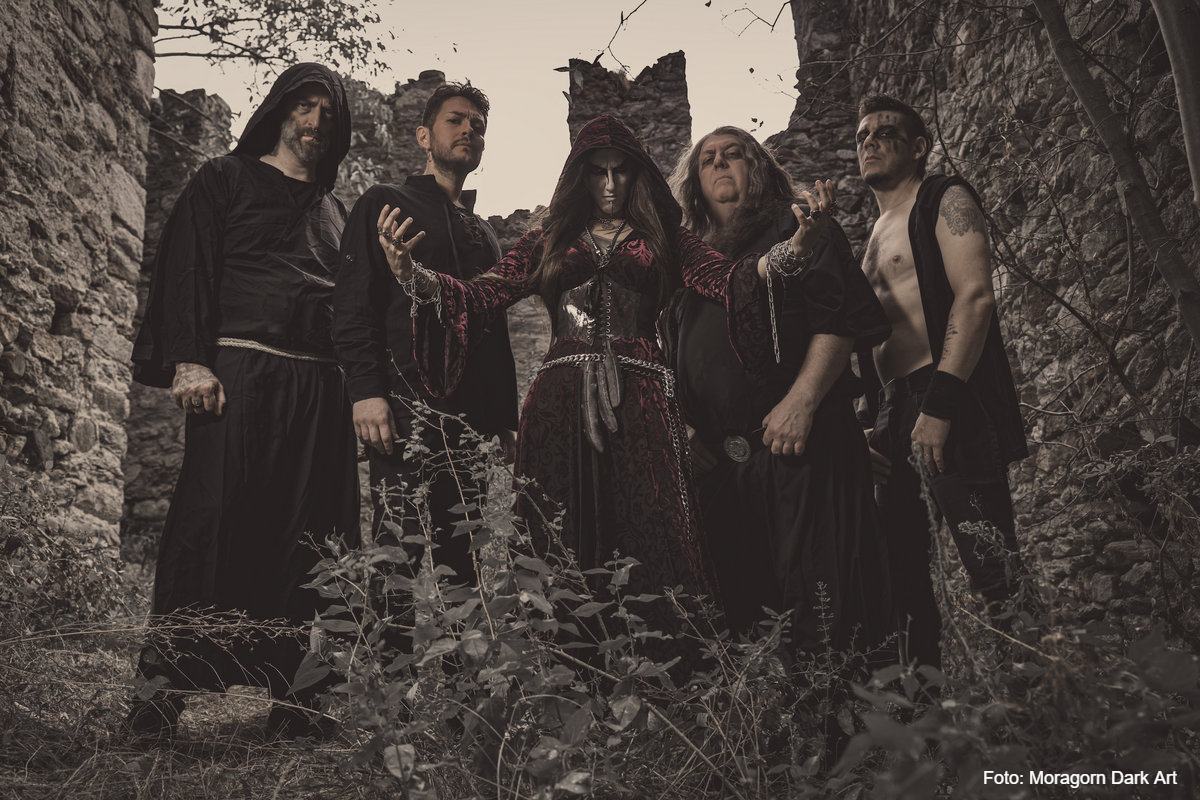
Mit „VeneficiuM“ wird am 22. Mai 2026 via Edged Circle Productions das neue Album der Occult Pagan Black Metal-Band OPERA IX erscheinen. Es ist das zehnte Album der Italiener. Zu „Defixiones“ gibt es nun einen Video-Clip.
OPERA IX Line-Up:
Dipsas Dianaria: Vocals
Ossian: Guitar
G.G.: Bass
Velum: Keyboards
L.P. Vault: Drums
OPERA IX „VeneficiuM“ Tracklist
01. Gratidia
02. Vocatio Mortuorum
03. Saturni Arcanum
04. Saltatio Corvi
05. Hortus Sagae
06. Sagana
07. Defixiones (Video bei YouTube)
08. Veneficium (Audio bei YouTube)
09. Asphodelios
10. Veia
11. Black Sabbath
Source: Vampster
18.05.2026 - NUCLEAR TOMB: zweiter Track vom neuen Thrash / Death Metal Album „Epoch Inhumane“
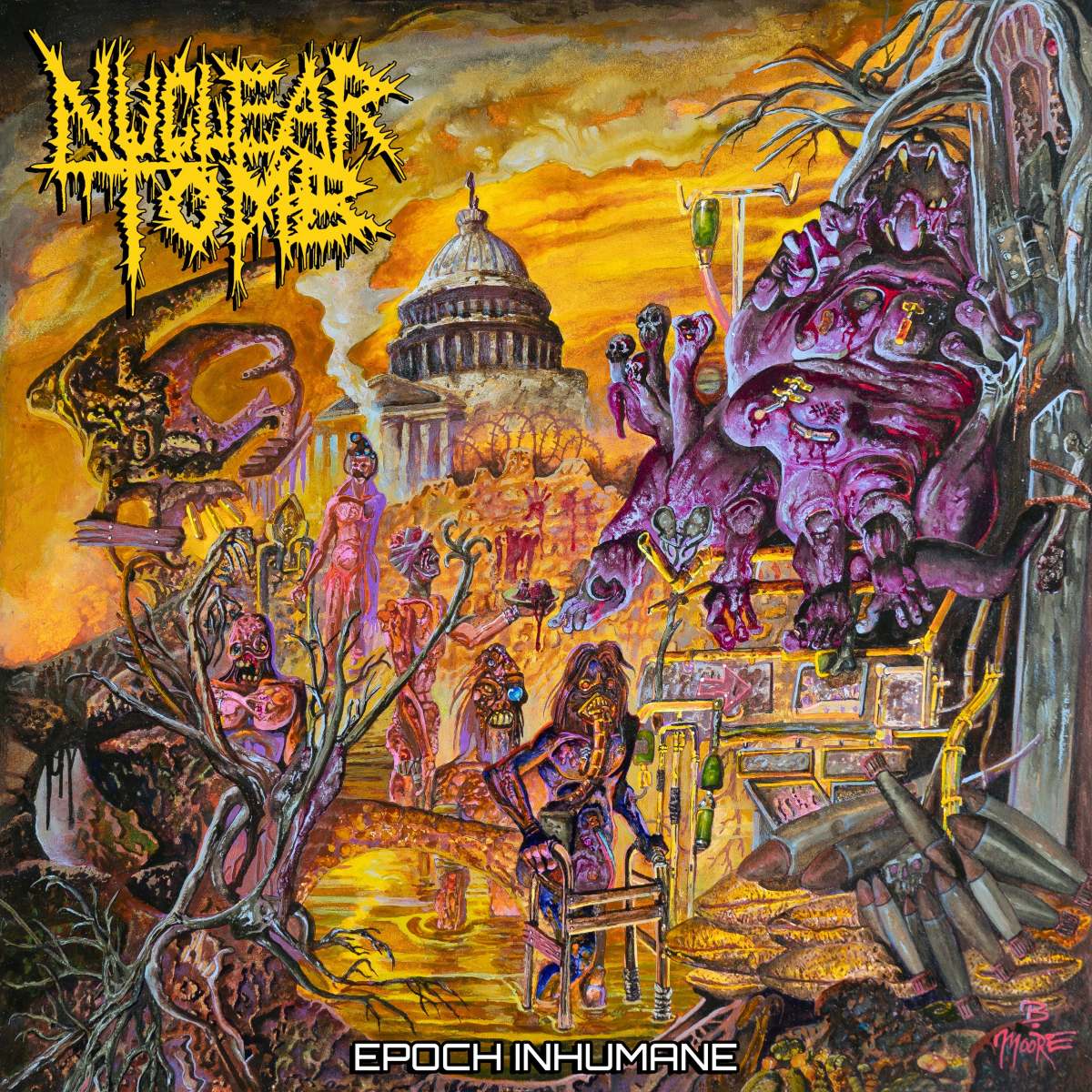
Die Thrash / Death Metal-Band NUCLEAR TOMB hat mit „Unbowed & Averse“ einen zweiten Track ihres kommenden Albums „Epoch Inhumane“ veröffentlicht. Es ist nach „Terror Labyrinthian“ (2024) das zweite Album der US-Amerikaner aus Baltimore und wird am 12. Juni 2026 via Rotted Life Records erscheinen.
„Epoch Inhumane“ wurde von Matt Michel im Viva Studio aufgenommen und gemixt und von Brad Boatright gemastert. Das Cover-Artwork stammt von Brad Moore. Vorab gibt es zu „Falling Out The World of Lies“ auch einen Video-Clip.
NUCLEAR TOMB Line-Up:
Michael Brown – Guitar/Vocals
Matt Ibach – Guitar
Amelia Morris – Bass
JD Lookabill – Drums
NUCLEAR TOMB „Epoch Inhumane“ Tracklist
1. Watch The Skies
2. Falling Out The World of Lies (Video bei YouTube)
3. Unbowed & Averse (Audio bei YouTube)
4. Faithless Continuum
5. Broken Promise, Barren Essence
6. Lifeless Transformation
7. Butcher’s Lament
8. Terminally Emboldened
9. The Coward’s Curse
10. Epoch Inhumane
Source: Vampster
18.05.2026 - SICKSENSE: neue Nu-Metalcore Single „Newsflash“ mitsamt Video-Clip
Die Nu-Metalcore-Band SICKSENSE hat mit „Newsflash“ eine neue Single mitsamt Video-Clip veröffentlicht. Der Song folgt auf das 2025er-Album „Cross Me Twice“ nach und wurde von Joey Doherty gemixt und von Tyler Smyth gemastert.
SICKSENSE Line-up:
Vicky Psarakis: Vocals
Robby J. Fonts: Vocals
Phillip Lykostratis: Guitar
Rich Regier: Bass
Joe Polizzi: Drums
SICKSENSE „Newsflash“ (Video bei YouTube)
Source: Vampster
18.05.2026 - LUFEH: dritte Single vom neuen Progressive Metal / Rock Album „Overwhelmed“ aus Los Angeles
Mit „Overwhelmed“ wird am 29. Mai 2026 das neue Album der Progressive Metal / Rock-Band LUFEH erscheinen. Es ist nach „Luggage Falling Down“ (2020) das zweite Album der US-Amerikaner aus Los Angeles und wurde von Adair Daufembach gemixt und gemastert. Mit „Double Dip“ gibt es nun die dritte Vorab-Single.
LUFEH Line-Up:
Duca Tambasco – bass and backing vocals
Deio Tambasco – guitar and backing vocals
Gera Penna – keyboard and backing vocals
Lufeh Batera – Drums
Ginny Luke – vocals (featuring)
LUFEH „Overwhelmed“ Tracklist
1. He Commands The Sun and The Stars – 4:22 (Video bei YouTube)
2. Breathe – 4:03
3. Double Dip – 4:39 (Video bei YouTube)
4. Overwhelmed – 4:30 (Video bei YouTube)
5. Feels Like I’m A Ghost – 5:43
6. Live The New Today – 4:50
7. War of Emotions – 3:50
8. End of the Tunnel – 4:18
Source: Vampster
18.05.2026 - THE CONFLUX COLLECTIVE: neues Progressive Technical Death Metal Album „In the Wake of Saturn“
Mit „In the Wake of Saturn“ wird am 19. Juni 2026 das neue Album der Progressive Technical Death Metal-Band THE CONFLUX COLLECTIVE erscheinen. Es ist nach der EP „The Inception“ das erste Album des Projekts von Gitarrist Chase Fraser (Ex-CONTINUUM) und Drummer Tommy McKinnon (Ex-NEURAXIS, Ex-EMPIRE DE MU), das mit einer Handvoll von Sängern zusammenarbeitet. So etwa mit Jeffrey Mott (HANDS OF DESPAIR, HOLLOW), der den ersten Vorab-Track „Reincarnation“ ein gesungen hat.
THE CONFLUX COLLECTIVE „In the Wake of Saturn“ Tracklist
1. The Antidote – 3:02
2. Devoid of True Form – 2:39
3. Ethereal Executioner – 4:45
4. Devouring Light – 4:59
5. Blood from a Rock 4:18
6. Reincarnation – 3:20 (Lyric-Video bei YouTube)
7. In the Wake of Saturn – 2:29
8. Desperate Post-Humanist – 5:18
Source: Vampster
18.05.2026 - FIRES IN THE DISTANCE: zweite Single vom neuen Melodic Death-Doom Metal Album „Circadian Promise“
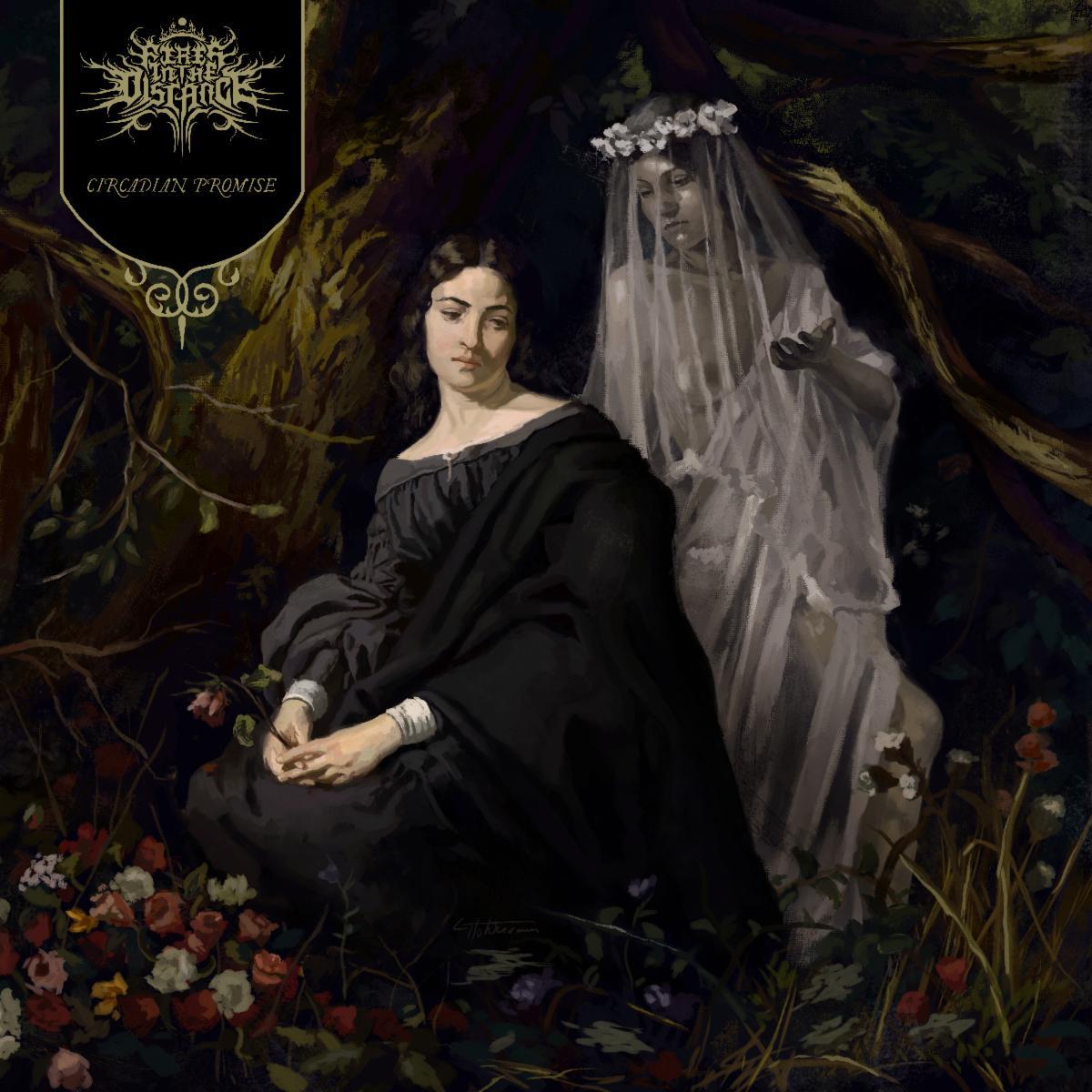
Die Melodic Death-Doom Metal-Band FIRES IN THE DISTANCE hat mit „Circadian Promise“ ein neues Album angekündigt. Es ist nach „Echoes from Deep November“ (2020) und „Air Not Meant for Us“ (2023) das dritte Album der US-Amerikaner aus Connecticut und das erste mit dem neuen Sänger und Gitarristen Brendan Hayter (OBSIDIAN TONGUE, THRAWSUNBLAT).
„Dieses Album ist ein bisschen düsterer als die anderen“, erklärt Bandgründer Yegor Savonin. „Es befasst sich mit dem Konzept des spirituellen Todes und dem Verlust der Seele, während man noch lebt, und untersucht die existenziellen Aspekte des Akzeptierens, der Auseinandersetzung und der Annahme der düstereren Seite der Realität, mit der wir alle irgendwann einmal konfrontiert werden.“
„Circadian Promise“ wurde von Dave Kaminsky produziert und wird am 12. Juni 2026 via Prosthetic Records erscheinen. Vorab gibt es nach dem Opener „Of Radiance And Levitation“ nun auch zu „To You, Author of My Fade“ einen Video-Clip.
FIRES IN THE DISTANCE Line-Up:
Yegor Savonin – guitar, lyrics, songwriting
Brendan Hayter – vocals, guitar, additional lyrics
Craig Breitsprecher – bass, backing vocals
Jordan Rippe – drums
FIRES IN THE DISTANCE „Circadian Promise“ Tracklist
1. Of Radiance And Levitation (Video bei YouTube)
2. To You, Author Of My Fade (Video bei YouTube)
3. Lightless Days Of A Songless Bird
4. By This Time Tomorrow
5. Once The Silence Takes Your Place
6. Agonal Dreaming
Source: Vampster
18.05.2026 - ETERNAL DRAK: kündigen neues Blackened Thrash Metal Album „The Violence of Time“ über die Zeit als Feind
Die Blackened Thrash Metal-Band ETERNAL DRAK hat mit „The Violence of Time“ ein neues Album angekündigt. Es ist das vierte Album der Kanadier aus Quebec und wird am 17. Juli 2026 via FirstWave erscheinen.
Das Album stelle die Zeit als feindliche, zersetzende Kraft dar, die Erinnerung, Identität und Kausalität verzerrt. Die Songs fungieren als „gewalttätige Thesen“, von denen jede eine menschliche Annahme darüber, wie Zeit funktioniert, demontiert. Vorab gibt es den Opener „We Force It To Speak“ zu hören.
ETERNAL DRAK Line-Up:
Andres Martinez Torres (Drakar) – Voices, Lead Guitar, Bass
Michel Amyot – Rhythm Guitar
ETERNAL DRAK „The Violence of Time“ Tracklist
1. We Force It To Speak – 5:15 (Audio bei YouTube)
2. The Unborn Paths Rot – 3:51
3. Me Hice Simultaneo – 3:30
4. The Blasphemy of Time – 3:35
5. Chaos Is the Law – 3:34
6. Where Cause Is Buried – 3:55
7. Across the Watching Veils – 3:53
8. Breathing Once Again – 3:45
9. The Cosmos Rejects You – 4:09
10. No Direction Total War – 2:57
Source: Vampster
18.05.2026 - HEAVENFALL: Video-Clip vom neuen Heavy / Thrash Metal Album „Thorn“
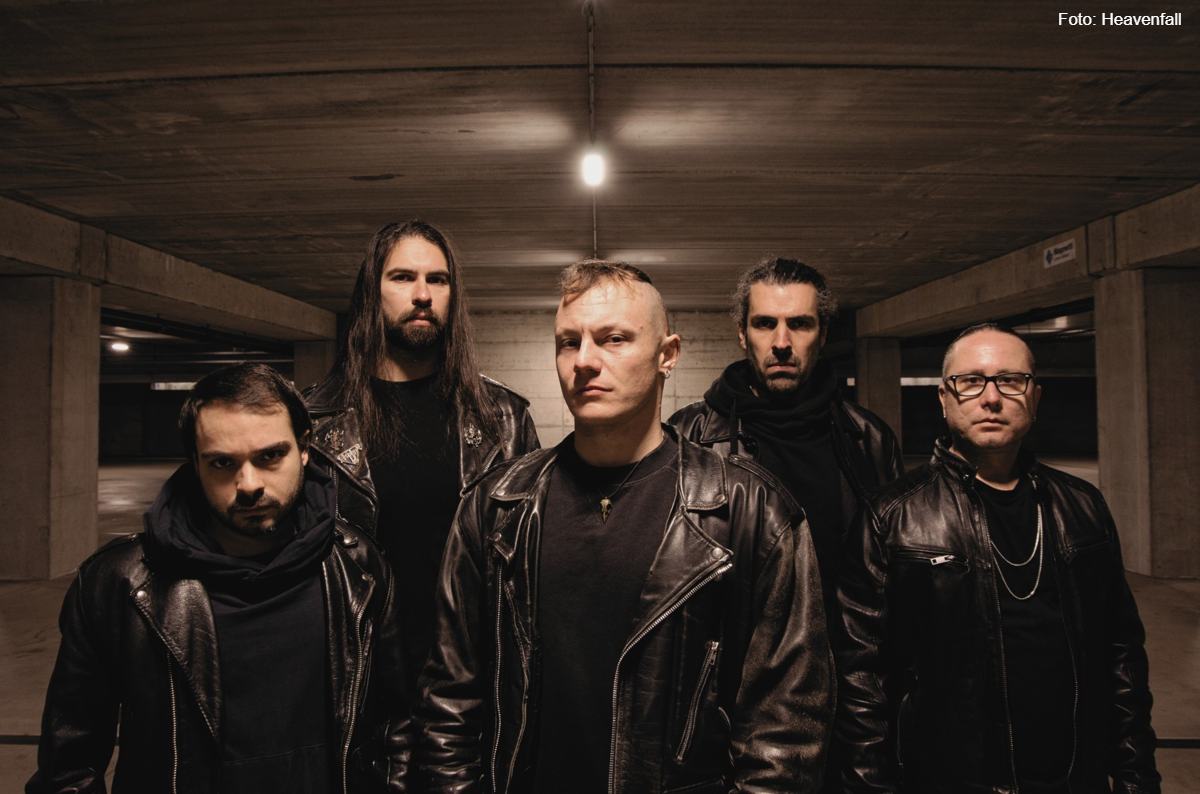
Die Heavy / Thrash Metal-Band HEAVENFALL hat mit „The Wind Chimes Garden“ einen weiteren Video-Clip ihres neuen Albums „Thorn“ veröffentlicht.
Im April ist das Video zu „No Candlelight“ erschienen.
„Im Kern vermittelt der Song ein anhaltendes Gefühl der Entwurzelung und innerer Unruhe. Der Text dreht sich um die Suche nach Zugehörigkeit und richtet sich nicht nur an jüngere Generationen, sondern an alle, die mit Unsicherheit hinsichtlich ihres Lebenssinns und ihrer Identität konfrontiert sind“, sagt die Band.
Es ist nach „Falling from Heaven“ (2012) das zweite Album der Italiener und wurde von Davide Tavecchia im Twilight Studio gemixt und gemastert. Das Cover-Artwork stammt von Aaron Bonogofsky.
„Thorn“ ist am 15. Mai 2026 via Rockshots Records erschienen. Vorab gibt es zum Opener „Squall-led“ auch ein Lyric-Video.
HEAVENFALL Line-Up:
Dest: Vocals
Pave: Guitars
Simo: Guitars
Stefano: Bass
Marco: Drums
HEAVENFALL „Thorn“ Tracklist
01. Squall-led (Lyric-Video bei YouTube)
02. Sudden Zenith
03. No Candlelight (Video bei YouTube)
04. This Illusion
05. Left Apart
06. Lingering Under The Acid Rain
07. Midwinter In July
08. Ora Pro Nemine
09. Midnightingale
10. The Wind Chimes Garden (Video bei YouTube)
11. Stramonium
Source: Vampster
18.05.2026 - W.M.D.: kündigen neues Thrash Metal Album „Against All Warnings“ über das Verlangen nach mehr
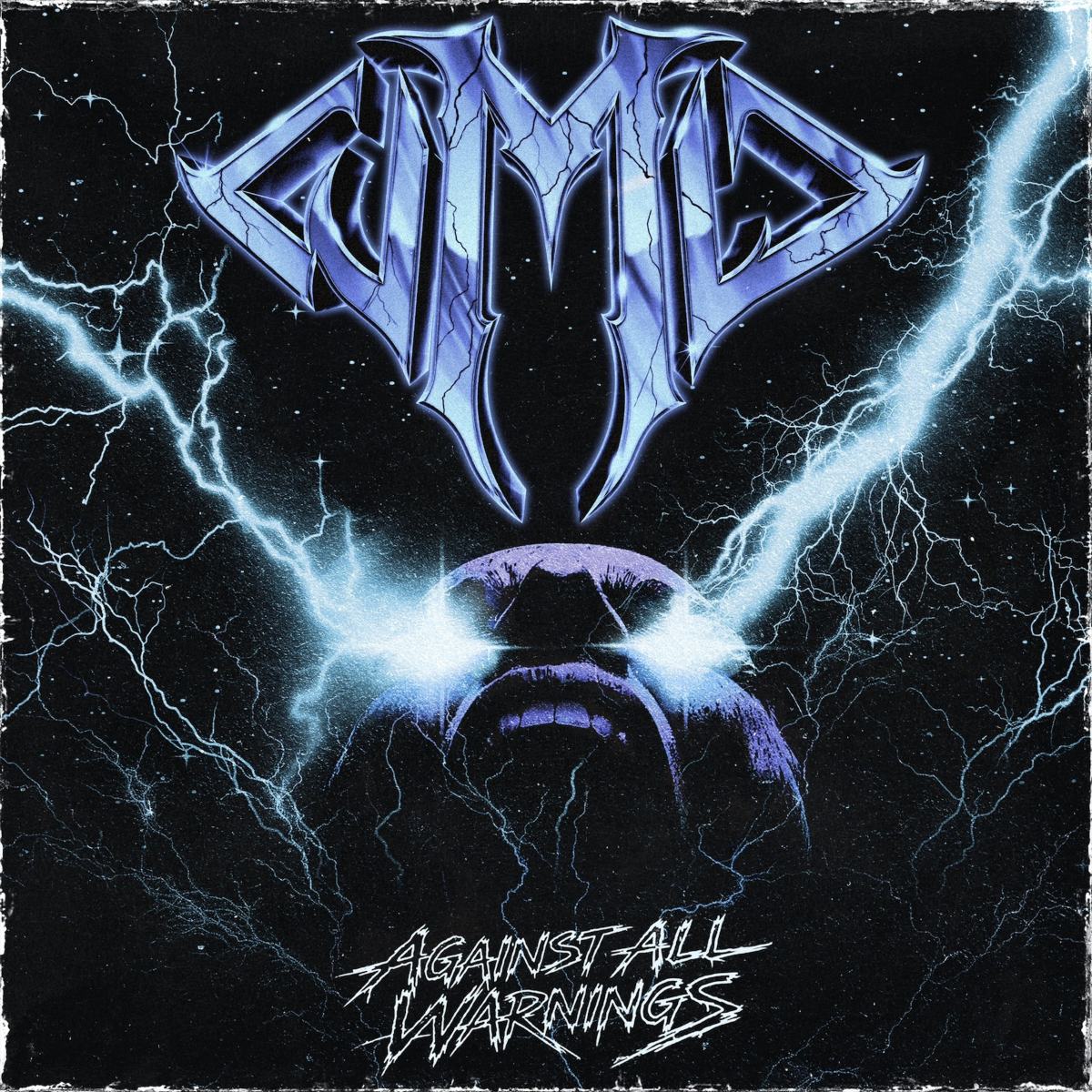
Mit „Against All Warnings“ wird am 5. Juni 2026 das neue Album der Thrash Metal-Band W.M.D. erscheinen. Es ist nach „Lethal Revenge“ (2018) das zweite Album der Kanadier aus Calgary rund um Sänger und Gitarrist Skyler Mills (HYPERIA).
Thematisch geht es im Album, das von Adair Daufembach gemixt und gemastert wurde, um das ständige menschliche Verlangen nach mehr, bei dem nichts jemals gut genug erscheint und die Menschen jedes Warnsignal ignorieren, bis alles zusammenbricht. Vorab gibt es zum Opener „Eyes Of A Killer“ einen Video-Clip.
W.M.D. Line-Up:
Skyler Mills – Vocals/Guitars
Jon Power – Bass
Ryan Idris – Drums
W.M.D. „Against All Warnings“ Tracklist
1. Eyes Of A Killer (Video bei YouTube)
2. Against All Warnings
3. Kleptomania
4. The Black Expanse
5. March Of Death
6. The Thin Red Line
7. Post Human Predator
8. Already Dead
9. Painful Vengeance
Source: Vampster
18.05.2026 - VERDUN: dritter Track von neuer Black Metal / Sludge Album „Abyssal Womb“
Die Black Metal / Sludge-Band VERDUN hat einen Labeldeal bei Transcending Obscurity Records unterschrieben. Im Zuge dessen werden die Franzosen aus Montpellier ihr neues Album „Abyssal Womb“ veröffentlichen. Es ist nach „The Eternal Drift’s Canticles“ (2016) und „Astral Sabbath“ (2019) das dritte Album der 2010 gegründeten Band rund um Gitarrist Jérôme Pinelli (DOCTOR LIVINGSTONE). Release-Termin ist der 26. Juni 2026. Das Cover-Artwork stammt von David Sadok. Vorab gibt es nach „Silent Witness“ und dem Opener „Funeral of the Cosmic Knight“ nun auch den Track „La Lame et la Chair“ zu hören.
VERDUN Line-Up:
David Sadok – Vocals
Jay Pinelli – Guitars
Florian Celdran – Bass
Geraud Jonquet – Drums
VERDUN „Abyssal Womb“ Tracklist
1. Funeral of the Cosmic Knight (Audio bei YouTube)
2. Silent Witness (Audio bei YouTube)
3. He Who Killed the Devil
4. La Lame et la Chair (Audio bei YouTube)
5. Rise of the Atomic Ghouls
6. The Man Behind My Eyes
7. Les Noces du Néant
Source: Vampster
18.05.2026 - The Moon and the Nightspirit - Seed of the Formless ab 24,99 €

-> >;Mit ihrem achten Studioalbum "Seed of the Formless" sind THE MOON AND THE NIGHTSPIRIT an einer Wegkreuzung angekommen. Das Duo hat sich ganz bewusst für das Abbiegen zu einer bedeutenden klanglichen Veränderung entschieden. Dieser Sprung in ihrer stilistischen Entwicklung lässt die tiefen Wurzeln der Ungarn im Ethereal Folk unangetastet, doch "Seed of the Formless" markiert zugleich ihre bewusste Richtungsänderung zum atmosphärischen Post-Metal. Mit der Entscheidung von THE MOON AND THE NIGHTSPIRIT, auch E-Gitarren und weitläufige Synth-Texturen einzusetzen, erweitern sie ihre Klangmöglichen um, wie die Band es nennt, kosmische und spontanere Energien – gerade im Vergleich zum Flüstern von Wäldern und Wiesen in ihrer musikalischen Vergangenheit. Die neue Phase ihrer klanglichen Entwicklung ergibt für THE MOON AND THE NIGHTSPIRIT besonders deshalb Sinn, da sie auf "Seed of the Formless" auch die Räume zwischen dunklen Schatten und hellem Licht musikalisch erforschen. Der Kontrast sowie die Verschmelzung von akustischen und elektrischen Klängen stößt die Tore zu einem großen Reich neuer Möglichkeiten weit auf. Es wird immer jene Anhänger einer Band geben, die sich jeder Veränderung widersetzen. Doch als wahrhaftige Künstler folgen THE MOON AND THE NIGHTSPIRIT ihrem tiefen Bedürfnis nach einer Weiterentwicklung. Die melancholische Schönheit von "Seed of the Formless" speist sich aus der Verbindung von atmosphärischem Post-Metal und folkloristischem Ambient. Dabei bleibt die Seele des Duos unberührt: mystisch, sehnsüchtig und in ewiger Verbindung mit dem Unendlichen!-> >;
-> >;
Tracklist:-> >;
1. Cosmic Seed -> >;
2. Luminous Thread -> >;
3. Odyssey Limen -> >;
4. The First Tremor -> >;
5. Astromorphosis -> >;
6. Fount of Everlight -> >;
7. Olden Renaissance -> >;
8. Lament of the Thistle Queen
Source: Prophecy
18.05.2026 - Mortiis - Ghosts of Europa ab 9,98 €

-> >;Mit "Ghosts of Europa" präsentiert der geheimnisvolle norwegische Künstler MORTIIS ein Album, das einem kreativen Befreiungsschlag gleicht. "Ghosts of Europa" spiegelt unmittelbar die über Jahrzehnte gewonnene Erfahrung und Reife dieses Vollblutmusikers wider. Es ist aus seiner brennenden Leidenschaft für den elektronischen Rock in Verbindung mit einem profunden Wissen über dieses Genre entstanden. Dabei bedient sich MORTIIS mit zielstrebiger Geschmacksicherheit bei stilistischen Einflüssen aus diversen Genres, solange sie dem Song dienen. "Ghosts of Europa" lässt sich daher kaum in eine Schublade stecken, wobei sich das Werk insgesamt durch dunkle Klanglandschaften, cineastische Visionen und eine große emotionale Tiefe auszeichnet. MORTIIS' unverwechselbare musikalische Handschrift bleibt stets gegenwärtig. Auch Anklänge an die mitunter sehr unterschiedlichen Phasen seiner früheren Werke haben überall auf "Ghosts of Europa" erkennbare Spuren hinterlassen. Dabei hat der Schöpfer musikalischer Welten bei dieser epischen Suche nach neuen Ausdrucksformen kaum einen Stein auf dem anderen gelassen. So entstand der erstaunliche Soundtrack für ein dystopisch-finsteres Kopfkino, das in fremde Welten entführt. Darin offenbaren sich auch die inneren Kämpfe, die der Komponist während der Entstehung des Albums ausfechten musste. Für MORTIIS stellt Kunst um den Preis von Freundschaft, Beziehungen und Seelenschmerz leider keine neue Erfahrung dar. Zur Veredelung des Sounds fiel die Wahl des Norwegers auf Sean Beavan für den Mix. Der amerikanische Produzent und Toningenieur ist einerseits ein Spezialist für Electronic und Industrial Rock, wie etwa seine Arbeiten mit den NINE INCH NAILS und DEPECHE MODE belegen. Anderseits verweisen Klienten wie SYSTEM OF A DOWN, GUNS N' ROSES und SLAYER auf eine große stilistische Spannweite innerhalb des harten Genres. Dies machte Beavan zum perfekten Kandidaten für dieses Album. Das Resultat überzeugt auf ganzer Linie: Immer, wenn "Ghosts of Europa" endlich durchschaut scheint, überrascht MORTIIS mit einer neuen Facette und ein weiteres Geheimnis seines detailreichen Meisterwerks offenbart sich.-> >;
-> >;
Tracklist:-> >;
1. Ghosts Of Europa-> >;
2. Return To The Old Fields-> >;
3. The Faith That Fades Away-> >;
4. Violent Silence-> >;
5. Transcending Morpheus-> >;
6. Tundra, Heart Of Hell-> >;
7. Tribes Of Dystopia-> >;
8. Farewell Romero-> >;
-> >;
Bonustracks (nur Artbook und Box):-> >;
1. The Voice From Within (2020, Pre-Violent Silence)-> >;
2. Farewell Romero (2020, Instrumental)-> >;
3. Heart Of Hell (2024, Featuring Jyrki 69)-> >;
4. Transcending Morpheus (2021)-> >;
5. Return To The Old Fields (2023, Featuring Iliana Basileios Tsakiraki)-> >;
6. Spectral Fog (2020, Pre-Return To The Old Fields)-> >;
7. The Faith That Fades Away (2023, Featuring Sarah Jezebel Deva)-> >;
8. Tribes Of Dystopia (Full Version)
Source: Prophecy
17.05.2026 - Arcturus - Aspera Hiems Symfonia 21,99 €

-> >;Nach ihren frühen EPs "My Angel" (1991) und "Constellation" (1994) veröffentlichten ARCTURUS im Jahr 1996 endlich ihr sehnsüchtig erwartetes Debütalbum "Aspera Hiems Symfonia". Ihren Bandnamen hatte die Norweger vom hellsten Stern der nördlichen Hemisphäre abgeleitet, und auch ihr Sound war offenkundig von der explodierenden Black Metal Szene ihres Heimatlandes beeinflusst. Während berühmte Protagonisten wie ULVER-Leitwolf Garm und MAYHEMs Hellhammer weiterhin mit von der Partie bleiben, musste Emperor-Gitarrist Samoth auf "Aspera Hiems Symfonia" durch den Saitenzauberer Carl August Tidemann ersetzt werden. Außerdem stieß auch ULVERs herausragender Bassist Hugh "Skoll" Mingay zur Band. Trotz ihrer hörbaren schwarzen Wurzeln wagten ARCTURUS musikalische Experimente wie ein seltsam sonorer Gesang, der mit durchdringenden Schreien kontrastiert wird. Sverds cineastische Keyboards, technisch anspruchsvolle Gitarrensoli und weitere avantgardistische Elemente, lassen die Band aus Oslo bis heute als progressive Innovatoren gelten.-> >;
-> >;
Tracklist:-> >;
1. To Thou Who Dwellest In The Night-> >;
2. Wintry Grey-> >;
3. Whence lt; Whither Goest The Wind-> >;
4. Raudt Og Svart-> >;
5. The Bodkin lt; The Quietus (...To Reach The Stars)-> >;
6. Du Nordavind-> >;
7. Fall Of Man-> >;
8. Naar Kulda Tar-> >;
-> >;
Gatefold-LP (hellgrün/schwarz marmoriert) inkl. Beileger, gefütterter Innenhülle und Schutzhülle
Source: Prophecy
17.05.2026 - Saturnus - The Lighthouse Session II 6,99 €

-> >;Tracklist:-> >;
1. Lost My Way-> >;
2. Softly On The Path You Fade-> >;
3. A Father’s Providence-> >;
4. Praeludium
Source: Prophecy
17.05.2026 - Lantlos - Nowhere In Between Forever ab 9,98 €

-> >;LANTLOS fangen die "Unergründliche Leichtigkeit des Seins" so vollendet ein wie kaum eine andere Band, die unter dem Einfluss des Black Metal begann – was sich mittlerweile wie eine Million Jahre her anfühlt. Auf dem sechsten Studioalbum "Nowhere in Between Forever" führt der kreative Kopf und einziges Bandmitglied Markus Skye (früher bekannt als Markus Siegenhort alias Herbst) die musikalische Richtung des Vorgängers "Wildhund" mindestens einen Schritt weiter. "Nowhere in Between Forever“ bietet eine spirituelle Reise in die glitzernde Welt der Neunzigerjahre, als einfach alles möglich schien. Das Album bietet eine Sammlung von Hits, die fest im aktuellen LANTLOS-Sound wurzeln und zudem um Elemente aus der digitalen Klangwelt im letzten Jahrzehnt des vergangenen Jahrtausends ergänzt werden. Andererseits bietet das Album keineswegs reine Nostalgie. Wie Skye anmerkt, hat er ganz bewusst ein hohles Gefühl von Plastik und Künstlichkeit in die Songs von "Nowhere in Between Forever" eingebaut – als subtile Vorboten finsterer Zeiten am Horizont. Diese musikalischen Wendungen verbinden die lockeren, scheinbar sonnigen und sogar poppigen Alternative Rock und Metal Tracks mit der dunklen Vergangenheit von LANTLOS. Mit "Nowhere in Between Forever" bestätigen LANTLOS sowohl die stilistische Evolution ihrer letzten beiden Alben als auch ihre bemerkenswerte Fähigkeit, mit fast beängstigender Leichtigkeit fesselnde Songs und wunderschöne Melodien zu kreieren. Achtung: Jeder Song auf "Nowhere in Between Forever" bricht Herzen!-> >;
-> >;
Tracklist:-> >;
01. Daisies-> >;
02. Cherries-> >;
03. Oxygen-> >;
04. Jeanet-> >;
05. Numb TV Superstar-> >;
06. Solar Death-> >;
07. AutoGuard-> >;
08. Planets-> >;
09. Ghost-> >;
10. Clockworks-> >;
11. Windhunter
Source: Prophecy
17.05.2026 - Stabbing Westward announce Wither ReWired Tour and re-recording of ‘Wither Blister Burn + Peel’

Stabbing Westward, the Chicago industrial rock band, have announced the Wither ReWired Tour – a...
Source: Side Line
16.05.2026 - BEARTOOTH: neues Album „Pure Ecstasy“ im August, Tour im September 2026
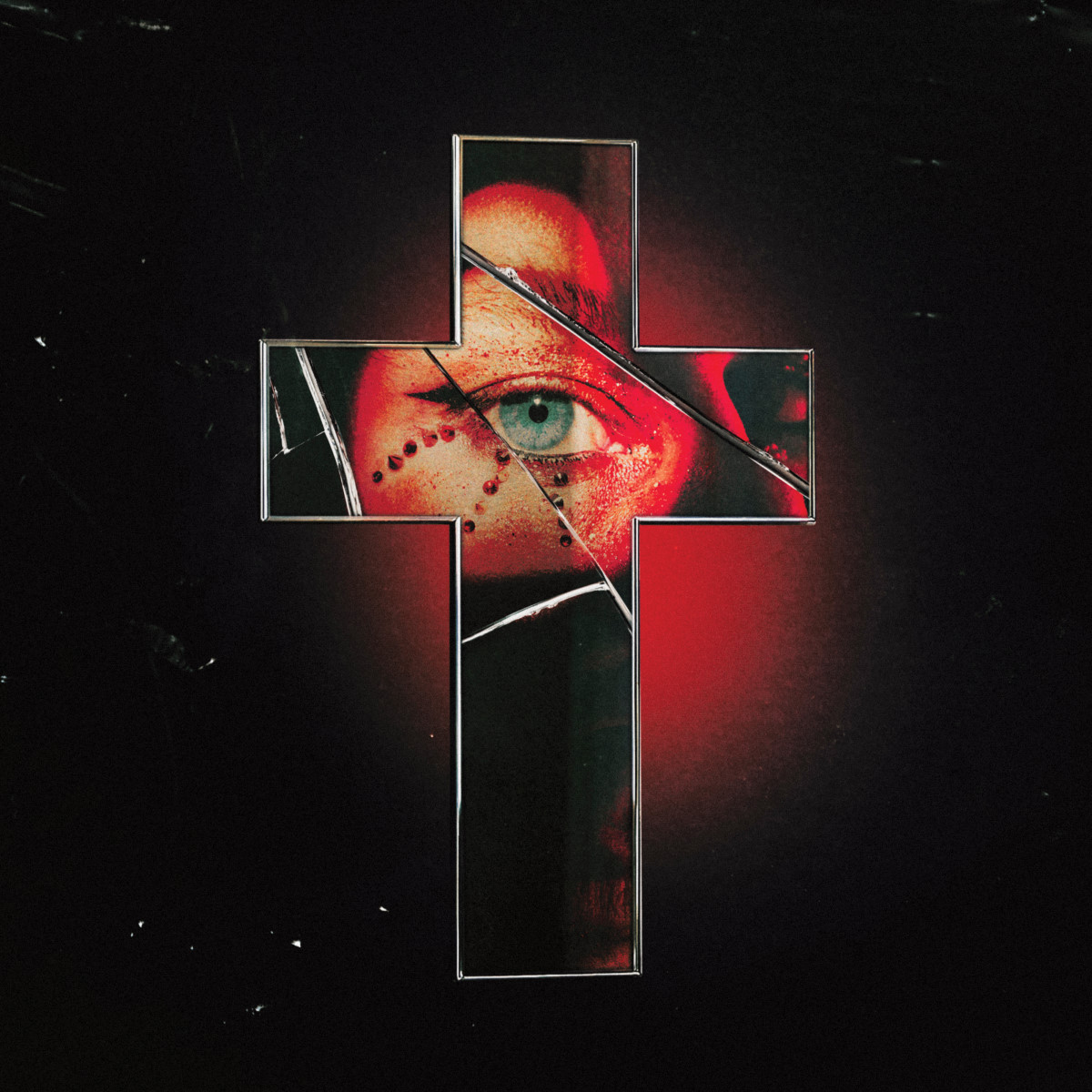
BEARTOOTH haben ein neues Album in der Pipeline: „Pure Ecstasy“ erscheint am 28. August 2026 via Fearless Records und enthält elf neue Tracks. Das Titelstück stellt die Gruppe nun mit einem Video vor:
Für Caleb Shomo, Frontmann von BEARTOOTH, ist die erste Single ‚Free‘ darüber hinaus ein Einschnitt:
‚Free‘ ist der Beginn eines neuen Kapitels in meiner Musik und meinem Leben. Das emotionale Auf und Ab des Lebens kann manchmal sehr kompliziert sein. An einem einzigen Tag kann man sowohl pure Angst als auch pure Freude erleben. Dieser Song gibt einen Vorgeschmack auf das nächste BEARTOOTH-Album, das wahrscheinlich die ehrlichste Darstellung meiner Seele sein wird, die ich je schaffen werde.“
„Free“ ist die erste neue Veröffentlichung BEARTOOTHs auf dem Label Fearless Records, und natürlich sind Musiker wie Labelboss extrem glücklich über die Zusammenarbeit:
Caleb Shomo: „Fearless hat mich als Künstler auf eine Weise gestärkt, wie ich es noch nie erlebt habe. Sie alle lieben wirklich, was sie tun, und das zeigt sich in ihrer Arbeit. Sie gehen ihrer Arbeit mit Bescheidenheit und einer großen Freude nach. Letztendlich geht es ihnen um die Musik und darum, die beteiligten Menschen zu unterstützen. Ihre Fähigkeit, diese Unterstützung sowohl auf Künstler als auch auf Zuhörer auszuweiten, ist wirklich wunderschön, und ich könnte nicht stolzer sein, einen Vertrag mit Fearless zu unterschreiben.”
Andy Serrao, Präsident von Fearless Records, erklärt: „Fearless Records ist stolz darauf, Beartooth im Team zu haben. Wir haben ihre Entwicklung seit vielen Jahren als Fans verfolgt und freuen uns nun, Partner zu sein. „Free“ ist der perfekte Start in dieses neue Kapitel.“
Für „Pure Ecstasy“ arbeiteten BEARTOOTH mit Produzent Jordan Fish zusammen.
BEARTOOTH „Pure Ecstasy“ Artwork
BEARTOOTH „Pure Ecstasy“ Tracklist
1. Pure Ecstasy (Video bei YouTube)2. Eyes Closed3. Bullshit4. Beautiful Again5. Stadiums6. Free (Video bei YouTube)7. Sorry8. Lose You To Find Me9. You10. For Me By Me11. Made It
BEARTOOTH Tour im September
Im September werden Beartooth „Pure Ecstasy“ bei fünf Konzerten in Deutschland vorstellen. Begleitet wird die Band in Frankfurt am Main, Oberhausen, Hannover, Berlin, München, Wien und Zürich von SILVERSTEIN und KINGDOM OF GIANTS.Beartooth„Pure Ecstasy“ Tour 2026 (Alle Termine im deutschsprachigen Raum)17.09.2026 – Frankfurt am Main, Jahrhunderthalle18.09.2026 – Oberhausen, Rudolf Weber-ARENA19.09.2026 – Hannover, Swiss Life Hall25.09.2026 – Berlin, Uber Eats Music Hall26.09.2026 – München, Zenith27.09.2026 – Wien (AT), Gasometer30.09.2026 – Zürich, Halle 622Tickets gibt es ab Freitag, 22. Mai 2026.
BEARTOOTH – Zenith, München – 18.10.2024 – Konzertfotos
Source: Vampster
16.05.2026 - Klimt 1918 - Àmor ab 9,98 €

-> >;"Àmor" bringt einen wahren Rausch der Leidenschaft und ist unwiderstehlich sexy! Das pulsierende Brennen des Sonnenfeuers, das in der Wüste gleißt. Das sanfte, rhythmische Knistern von zarter Haut auf Haut. Oder das stetig anschwellende Geräusch von vielen Körpern in gemeinsamer Bewegung – KLIMT 1918 fangen solche und andere flüchtigen Momente in kaskadenartigen Klangwänden und dem eleganten Surren der Gitarren ein. Die Italiener erklimmen mit ihrem fünften Album "Àmor" einen weiteren Gipfel ihres gefeierten Werks und legen eine ebenso melancholische wie sinnliche und majestätische Sammlung fesselnder Songs vor. "Àmor" erwuchs aus der Einsamkeit und Stille sozialer Distanzierung als bewusster künstlerischer Kontrapunkt: KLIMT 1918 beschlossen, alle ihre neuen Songs um Leidenschaft, körperlichen Kontakt, Sinnlichkeit und jene unwiderstehlichen Gefühle kreisen zu lassen, die uns nachts nicht schlafen lassen. Zur Krönung erhielten KLIMT 1918 den künstlerischen Ritterschlag, als der legendäre Tony Doogan sich bereit erklärte, den Mix von "Àmor" zu übernehmen und obendrein Frank Arkwright (Abbey Road Studios) sein Mastering-Genie einbrachte. Die beiden renommierten Tonmeister haben bereits zuvor unter anderem für MOGWAI und SNOW PATROL zusammengearbeitet – und zu ihrem Portfolio zählen unter anderem illustre Klienten wie JOY DIVISION, COLDPLAY und OASIS. Die Band hat sehr viel Zeit, Fleiß und Energie investiert, um mit jeder Sekunde von "Àmor" den Beweis anzutreten, dass dieses Album die lange Wartezeit mehr als wert ist. KLIMT 1918 treiben ihre ungezügelte Emotionalität, die sich in dynamischen, glühenden Klanglandschaften ausdrückt, statt in festen Strukturen und kalkulierten Hooks zu verharren, zu einem neuen Höhepunkt! -> >;
-> >;
Tracklist:-> >;
01. Dream Core-> >;
02. Aventine-> >;
03. Nihil Vltra-> >;
04. Eros -> >;
05. Nexus -> >;
06. Un ÈtÈ invincible-> >;
07. Arcade-> >;
08. Amor-> >;
09. Petricore-> >;
10. Aftersun-> >;
11. Mountain-> >;
-> >;
Bonustracks (nur Artbook):-> >;
01. By the River-> >;
02. Flumen-> >;
03. Juno-> >;
04. Just In Time-> >;
05. What Should But Did Not Die
Source: Prophecy
14.05.2026 - Moon Far Away - Acou ab 25,00 €

-> >;Besonders reichhaltige und vielseitige Musik entzieht sich oft einer einfachen Kategorisierung. Auf ihrem sechsten Album "Acou" begeben sich MOON FAR AWAY auf eine musikalische Entdeckungsreise auf den Spuren der magischen Natur der Töne. Die Band aus der subarktischen Stadt Archangelsk im Norden Russlands erforscht den mythologischen Kreislauf des Universums, indem sie jeder Phase seiner Existenz bestimmte Klangwelten und Stile zuordnet – die von archaischer und folkloristischer bis hin zu liturgischer, klassischer und sogar experimenteller Musik reichen. MOON FAR AWAY wurden von der Erkenntnis inspiriert, dass die Welt in vielen alten Legenden sowohl mit einem Klangereignis beginnt als auch endet – von der Äußerung eines Wortes, über wahrhaftige Musik, bis hin zum Urknall der Wissenschaft. Auf "Acou", was auf Altgriechisch "höre!" bedeutet, sind das Wort (lógos) und die Musik (mousÄkḗ) ebenso grundlegend für die Substanz des Universums wie die klassischen Elemente Erde, Feuer, Wasser und Luft. MOON FAR AWAY werden mitunter als "das Herzstück des russischen Gothic Folk" oder "die russischen Dead Can Dance" bezeichnet – was auch für "Acou" als eine durchaus plausible Zuordnung erscheint. Ihre Musik wirkt bei einer oberflächlichen Betrachtung leicht und sogar verträumt, sie strahlt aber gleichzeitig eine Gravität, Würde und leidenschaftliche Ernsthaftigkeit aus, die diese Songs von einfachem Pop trennen – obwohl sie ebenso eingängig wie melodisch klingen. Mit "Acou" legen MOON FAR AWAY ihr bisher reichhaltigstes und komplettestes Album vor, das alte ebenso wie neue Freunde aus einem breiten Spektrum stilistischer Vorlieben ansprechen wird. Dazu zählen sicherlich Fans von DEAD CAN DANCE, ALCEST, WARDRUNA und vielen anderen – obwohl sich diese einzigartige Band aus dem Norden Russlands von den zuvor genannten eindeutig unterscheidet. Um festzustellen, ob es auch dem eigenen Geschmack entspricht, gibt es nur einen Weg: "Acou"! Höre!-> >;
-> >;
Tracklist:-> >;
01. Acou (Prelude)-> >;
02. Acou-> >;
03. Steel, Light, Love-> >;
04. Look, The Human Flocks...-> >;
05. Soulofkey-> >;
06. 17 Years-> >;
07. To Count Her Names-> >;
08. Turquoise-> >;
09. What Way Your Rose Grows?-> >;
10. How Do The Moons Walk On Grain-> >;
11. Acou (Coda)
Source: Prophecy
13.05.2026 - Alcest - Écailles De Lune 21,99 €

-> >;Auf ihrem Zweitwerk "Écailles de Lune" ("Moon Scales") besannen sich ALCEST wieder stärker auf ihre Herkunft aus dem Black Metal, wobei sie ihre auf dem Debütalbum "Souvenirs d’un Autre Monde" entwickelten Markenzeichen jedoch keineswegs vernachlässigten. Die französischen Post-Black Metal Pioniere schufen auf ihrem Erstling einen schimmernd, träumerischen Sound, dessen andersweltliche Schönheit sie gleichzeitig definierte – und den sie seither stetig verfeinert haben. -> >;
-> >;
Auf der musikalischen Ebene, verschmelzen ALCEST in sich ruhende, halbakustische Passagen, sich wiederholende hypnotische Muster und eingängige Melodien mit Ausbrüchen von schroffen Gitarrenriffs und heftigen Schlagzeugattacken. Einen ähnlichen Kontrast und komplementären Effekt wendet Bandkopf und Gitarrist Neige bei seinen Stimmeinsätzen an. Während sein Klargesang zwischen einem warmen, dunklen Tonfall und einer sanften höheren Stimmlage pendelt, brechen immer wieder unvermittelt verzweifelte Schreie und wütende, geschwärzte Kehllaute durch – bis sich die weicheren Gesänge wie eine unaufhaltsame Welle wieder durchsetzen. -> >;
-> >;
"Meine Inspiration für dieses Album floss besonders aus dem Meer sowie der Energie und dem Hochgefühl, welche sich einstellten, als ich in den Nächten vor dem Ozean saß", offenbarte Neige zum Schaffensprozess von “Écailles de Lune”. "Die See erscheint dann schrecklich faszinierend, geheimnisvoll und ebenso schön wie furchteinflößend." -> >;
-> >;
Über die Jahre wurde die Musik von ALCEST mit diversen Etiketten versehen, von denen Post-Black Metal, Post-Rock, Shoegaze und Blackgaze die gängigsten sind. Doch wie immer man die ursprünglich in Avignon beheimatete und nun in Paris ansässige Band kategorisieren möchte, ihr Sound ist bis heute einzigartig geblieben. Ein weiteres typische Element ihrer Alben besteht in Konzepten oder thematischen Motiven, die sich durch die jeweiligen Songs ziehen. Auf "Écailles de Lune" handelt es sich um eine Geschichte der Wandlung. "Die Geschichte dieses Albums stellt keine Metapher für den Tod dar", schrieb Neige. "Für mich dreht sie sich im einen Mann, der sich wortwörtlich dafür entscheidet, seine Welt für eine andere zu verlassen. Es geht mehr um einen Übergang in einer andere Realität oder Existenzebene."-> >;
-> >;
Für all jene, die den Fußspuren diesen Mannes auf der Reise zu einem anderen Ort folgen wollen, bieten ALCEST den Schlüssel an. Wer seine Augen schließt, um "Écailles de Lune" zu lauschen, reist in eine Welt voller musikalischer Wunder und atemberaubender Schönheit – aber Vorsicht: Auch die Rosen der Anderswelt tragen Dornen.-> >;
-> >;
LP (lim. blau-marmoriertes Vinyl) inkl. bedruckter Innenhülle, Schutzhülle und Poster
Source: Prophecy
13.05.2026 - Hexvessel - Nocturne 32,99 €

-> >;HEXVESSEL erkunden auf ihrem epischen siebten Album "Nocturne" liminale Räume, z.B. zwischen Licht und Dunkelheit sowie Natur und Einsamkeit. Die sich kontinuierlich wandelnde finnische Band besinnt sich wieder auf ihre Wurzeln im Folk und im psychedelischen Rock, indem sie akustische Zwischenspiele, kosmische Synthesizer und geisterhafte Pianoklänge kunstvoll mit den frostgesponnenen Fäden ihres Black Metal Geflechts verwebt. "Nocturne" klingt sowohl vertraut als auch unverhohlen progressiv, da HEXVESSEL ihre eigene Tradition mit einer frischen Neuerfindung ihres charakteristischen Sounds vermischen. Der Keim für dieses Meisterwerk wurde durch die Aufführung eines Auftragswerks beim Roadburn Festival 2024 gesetzt, das ursprünglich den Titel "Music for Gloaming: A Nocturne" trug. Mit diesem Album nimmt das Projekt eine ausgearbeitete physische Gestalt an. Dieses opus magnum verbindet den rauen Geist von Quorthons Black Metal mit dem komplexen Minimalismus zeitgenössischer Komponisten wie Philip Glass, György Ligeti und Avro Pärt. Den eklektischen Charakter von "Nocturne" unterstreichen ausgewählte Gastauftritte wie der ätherische Gesang von Saara Nevalainen oder die harschen Stimmen der Avantgarde Black Metal Vorreiter Yusaf Vicotnik Parvez (DHG/DØDHEIMSGARD) und ORANSSI PAZUZUs Juho Vanhanen. HEXVESSEL stammen zwar aus dem finnischen Tampere, die Band wurde aber vom englischen Sänger und Songwriter Kvohst alias Mat McNerney gegründet, nachdem er im Jahr 2009 in das nordische Land gezogen war. In vielerlei Hinsicht spiegeln HEXVESSEL die Natur ihres Gründers wider. Der Sänger und Songwriter war schon in vielen erfolgreichen Gruppen und Projekten aktiv, deren Spektrum von der britischen Black Metal Band CODE über einen Abstecher bei den norwegischen Legenden DHG bis hin zu den Rock-Shootingstars BEASTMILK reicht, die er später mit GRAVE PLEASURES fortsetzte. Mit "Nocturne" laden HEXVESSEL alle dunklen Seelen der Erde zu einem transzendentalen Nachtritual ein, das unter anderem die Klangvisionen von DARKTHRONE, TANGERINE DREAM und Philip Glass aus der toten Vergangenheit erweckt und mit neuem Leben erfüllt.-> >;
-> >;
Tracklist:-> >;
01. Opening-> >;
02. Sapphire Zephyrs -> >;
03. Inward Landscapes-> >;
04. A Dark lt; Graceful Wilderness -> >;
05. Spirit Masked Wolf -> >;
06. Nights Tender Reckoning -> >;
07. Mother Destroyer -> >;
08. Concealed Descent-> >;
09. Unworld-> >;
10. Phoebus-> >;
-> >;
Bonustracks (nur Artbook und Bundle)-> >;
"Music For Gloaming, A Nocturne By The Hexvessel Folk Assembly (Live At Roadburn Festival 2024)"-> >;
-> >;
01. Sapphire Zephyrs -> >;
02. Inward Landscapes-> >;
03. A Dark lt; Graceful Wilderness -> >;
04. Spirit Masked Wolf -> >;
05. Nights Tender Reckoning -> >;
06. Concealed Descent-> >;
07. Unworld-> >;
08. Phoebus-> >;
-> >;
-> >;
Bonus Tracks (nur Bundle)-> >;
-> >;
01. Under the Lake-> >;
02. Horse Tears (Goldfrapp-Cover)-> >;
-> >;
Gatefold-2LP (grau/schwarz marmoriert) inkl. Etching auf D-Seite, gefütterter Innenhüllen, Einleger und Schutzhülle (500 Einheiten erhältlich)
Source: Prophecy
13.05.2026 - Alcest - Souvenirs D'un Autre Monde 21,99 €

-> >;Das im Jahre 2007 veröffentlichte Debütalbum von Alcest, "Souvenirs d'un autre monde", kennzeichnet den Startschuss der außergewöhnlichen Karriere dieser Band. -> >;
-> >;
Mit der Veröffentlichung von "Souvenirs d'un autre monde" erschuf der Kopf von Alcest, Neige, einen luminösen neuen Musikstil, der an den Rändern des Metal-Genres angesiedelt sein mag, aber vor allem von Empfindungen wie Euphorie, Wonne und Nostalgie geprägt ist. Der Sänger und Multiinstrumentalist widmete dieses Album seinen Kindheitserinnerungen an Erlebnisse in einer spirituellen Anderswelt – persönliche Themen, die auch bei den folgenden Alben von Alcest eine wichtige konzeptionelle Rolle spielen sollten. -> >;
-> >;
"Souvenirs ..." entwickelte sich rasch zu einer der grundlegenden Veröffentlichungen im Bereich des Blackgaze / Post-Black-Metal und beeinflusst bis heute zahlreiche andere Bands; Pitchfork zählt es gar unter die -> >;"50 besten Shoegaze-Alben aller Zeit"-> >;.-> >;
-> >;
LP (180g, lim. weiß/grün-marmoriertes Vinyl) inkl. bedruckter Innenhülle und Schutzhülle
Source: Prophecy
12.05.2026 - Gràb - Kremess 36,99 €

-> >;GRÀB bieten auf ihrem zweiten Album "Kremess" sowohl Kontinuität als auch Wandel. Das von Sänger Grànt gegründete bayerische Black Metal Projekt kreist lyrisch weiterhin um Geschichten und Traditionen, die im Dialekt des deutschen Alpenlandes erzählt werden. "Kremess" bedeutet auf Hochdeutsch "Leichenschmaus" – und der Tod spielt auf diesem Album erneut eine große Rolle. Musikalisch erscheinen neben dem traditionellen Hackbrett weitere akustische Instrumente. Dazu gesellen sich vor allem Einflüsse aus dem frühen nordischen Black Metal, bei dem Namen wie GEHENNA, ULVER und DARKTHRONE fallen müssen – aber auch Inspirationen von deutschen Pionieren des Genres wie NAGELFAR und LUNAR AURORA. Mit dem englischen Gitarristen Gnàst, der den bisherigen Songwriter Grain mittlerweile abgelöst hat, kommen frische Ideen und Klänge zur bajuwarisch-schwarzen Klangwelt hinzu. Eine Reihe von Gastmusikern, unter anderem Mitglieder von EMPYRIUM, TRIPTYKON und DARK FORTRESS, bereichern ebenfalls das musikalische Spektrum. GRÀB, was im bairischen Dialekt "alt und grau" und keineswegs "Grab" bedeutet, wurden vom ehemaligen DARK FORTRESS-Frontmann Grànt erdacht, der dem Black Metal eine unverkennbar bayerische Note verleihen wollte. Die anfängliche Zusammenarbeit zwischen Grànt und dem Gitarristen Grain führte im Jahr 2021 zur Veröffentlichung des Debütalbums "Zeitlang", das den Geist des frühen Black Metal sehr zur Freude von Kritikern und Fans wiederauferstehen ließ. Mit "Kremess" verleihen GRÀB ihrem bayerischen Black Metal neue musikalische Kraft, die weit in die Zukunft weist.-> >;
-> >;
Tracklist:-> >;
CD 1-> >;
1. Waidler-> >;
2. Kremess-> >;
3. Kerkermoasta-> >;
4. Im Hexnhoiz-> >;
5. Vom Gråb im Moos-> >;
6. Deifeszeig-> >;
7. Waldeinsamkeit-> >;
8. Dà letzte Winter-> >;
-> >;
CD 2 (nur Artbook)-> >;
1. Waidler (gschmeidig)-> >;
2. Schaug’ de Himmesdechta-> >;
3. Leere-> >;
-> >;
Gatefold 2-LP (kristallklar/schwarz marmoriertes Vinyl) mit Einleger, Etching auf Seite D, gefütterter Innenhülle und Schutzhülle
Source: Prophecy
12.05.2026 - Green Carnation - Light of day, day of darkness 33,99 €

-> >;Das musikalische Vermächtnis von Mastermind Tchort-> >;
-> >;
"Light Of Day, Day Of Darkness” ist das erste Solowerk von Tchort und sein musikalisches Vermächtnis. Unterstützt wird er dabei unter anderem von Kobro (Carpathian Forest), der nach zehn Jahren wieder zu Green Carnation zurückkehrt, Gastsänger Jan Kenneth Transit (In The Woods..., Naervaer), einem Kinderchor, einem klassischen Chor und Sitar-Spielern. -> >;
-> >;
Ein Jahr nach dem Debüt ”Journey to the end of the night”, an dem u.a. Vibeke von Tristania und die Botteri Zwillinge von In The Woods... mitwirkten, erscheint nun das zweite Album der Doom-Metal-Gruppe um Tchort (auch Carpathian Forest, ex-Emperor, ex-Satyricon). ”Light Of Day, Day Of Darkness” ist das erste Solowerk von Tchort und sein musikalisches Vermächtnis. Unterstützt wurde er dabei unter anderem von Kobro (Carpathian Forest), der nach zehn Jahren wieder zu Green Carnation zurückkehrte, Gastsänger Jan Kenneth Transit (In The Woods..., Naervaer), einem Kinderchor, einem klassischen Chor und Sitar-Spielern. -> >;
”Light Of Day, Day Of Darkness ist ein Konzeptalbum. Die Musik wurde für meinen Sohn Damien Aleksander geschrieben, der mir unendlich viel Freude, Inspiration und meinem Leben einen Sinn gibt. Das lyrische Thema des Albums dreht sich um Einsamkeit und ist den Botteri-Zwillingen gewidmet für alles, was sie bisher durchmachen mussten. Diese Platte ist mein Dank an zwei großartige Musiker, die mir halfen, mich zu dem Künstler zu entwickeln, der ich heute bin.” (Tchort)-> >;
-> >;
Gatefold-2LP (transparent-orange marmoriert) inkl. 4 Bonustracks, gefütterter Innenhüllen und Schutzhülle (500 Einheiten erhältlich)
Source: Prophecy
12.05.2026 - Bethlehem - Dictius Te Necare 23,99 €

-> >;Dictius Te Necare ist Bethlehems zweites Langspielalbum und ein unbestrittener Grundstein des gesamten Suicidal/Depressive Black Metal Genres. Die Prophecy-Wiederveröffentlichung dieses Klassikers erscheint als Digipak-CD mit 12-seitigem Booklet und bleibt dabei dem ursprünglichen Geist des Albums treu.-> >;
-> >;
Titelliste:-> >;
1. Schatten aus der Alexander Welt-> >;
2. Die anarchische Befreiung der Augenzeugenreligion-> >;
3. Aphel - Die schwarze Schlange-> >;
4. Verheißung - Du Krone des Todeskultes-> >;
5. Verschleierte Irreligiosität-> >;
6. Tagebuch einer Totgeburt-> >;
7. Dorn meiner Allmacht-> >;
-> >;
Gatefold-LP (transparent/gold/schwarz-marmoriertes Vinyl) inkl. gefütterter Innenhülle und Schutzhülle
Source: Prophecy
31.03.2026 - Stille Volk - Satyre Cornu 22,99 €

-> >;Mysteriöser Folk aus den Pyrenäen-> >;
-> >;
”Satyre Cornu” verzaubert mit mystischen, mal fröhlichen, mal dunklen Liedern, welche lyrisch tief in der heidnischen Tradition und Verehrung des Gottes Pan verwurzelt sind. Alte Legenden werden hier wieder lebendig und entführen uns auf eine Reise in die Zeit der Troubadoure des 12. Jahrhunderts. Durch die Verwendung der altfranzösischen Sprache erschaffen STILLE VOLK eine authentische Atmosphäre, welche in dieser Form einzigartig ist. -> >;
-> >;
Titelliste:-> >;
1 Le Satyre Cornu-> >;
2 Rassa Tan Creis-> >;
3 Pan Domna Poc-> >;
4 Le Crapauds-> >;
5 Le Reveil De Pan-> >;
6 Marche Nocturne-> >;
7 La Vengeance De Pan-> >;
8 Quan L?Herba Fresca-> >;
9 Invocation A Pan-> >;
10 Adoumestica Una Terro-> >;
11 Le Satyre Cornu 2-> >;
-> >;
LP (schwarzes Vinyl) inkl. Einleger und Schutzhülle (lim. 70)
Source: Prophecy
23.03.2026 - Hekate - Sonnentanz 25,99 €

-> >;Ein Meilenstein des deutschen Neofolk-> >;
-> >;
Das ursprünglich im Jahr 2000 bei Well Of Urd erschienene "Sonnentanz" ist das erste in unlimitierter Auflage erschienene Album Hekates und avancierte zu einem zentralen Werk des deutschen Neofolk. Inhaltlich dem freiheitlichen Geiste der Bündischen Jugend und der Edelweißpiraten, also der "Verlorenen Jugend" der 1930er Jahre verpflichtet, orientieren sich Hekate musikalisch stark an folkloristischer Akustikmusik und prägten mit diesem Album ihren Stil der folgenden Jahre. Die Neuauflage kommt im auf 700 Stück limitierten Digipak und mit überarbeiteter Gestaltung.-> >;
-> >;
LP (schwarz) inkl. gefütterter Innenhülle, Einleger und Schutzhülle (300 Einheiten erhältlich)
Source: Prophecy